

-
Amarok (2010-2020)
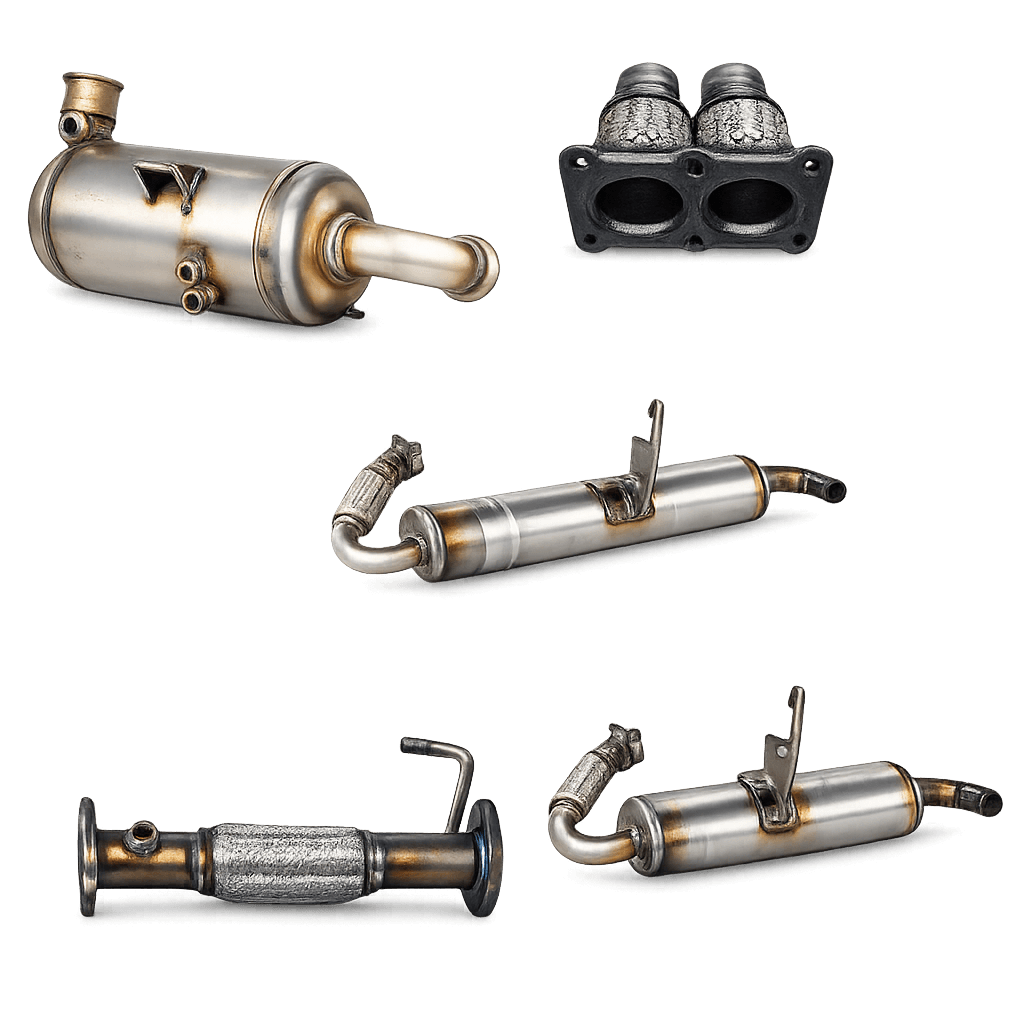
At Krosfou, we understand what makes a diesel engine run efficiently — and what can interfere with that performance. If you own a Volkswagen Amarok, chances are you’ve heard of the Diesel Particulate Filter (DPF). This vital component, also called a soot particulate filter, keeps your vehicle within emission standards while preserving smooth operation.
We manufacture and supply high-performance particulate filters, catalytic converters, and related components built to last. In this article, we’ll cover everything Amarok drivers need — from engine control basics to solving filter-related problems, performing regeneration, and choosing the right replacement part from our selection.
DPF's Volkswagen most sold:
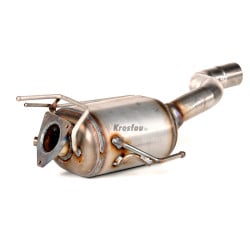
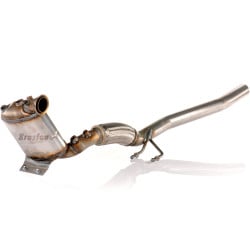
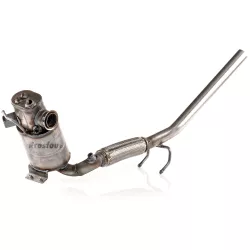
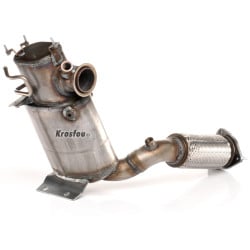
The Krosfou Diesel Particulate Filters are available for most Volkswagen car models: Volkswagen Crafter DPF, Volkswagen Polo DPF, Volkswagen Touran DPF, and many others. -
Caddy
The Volkswagen Caddy Diesel Particulate Filter (DPF) is a critical component designed to reduce harmful emissions from diesel engines like the 1.6 TDI and 2.0 TDI. This advanced filtration system traps soot particles from exhaust gases, helping to lower pollution and comply with environmental standards. Equipped with differential pressure sensors, temperature probes, and catalytic converter additives, the DPF promotes efficient soot combustion through regeneration cycles. These regeneration processes burn off accumulated soot at high temperatures, either passively during regular driving or actively via electronic control, ensuring continuous optimal filter performance.
Signs of DPF issues include the soot warning light illuminating on the dashboard, reduced engine power, and diagnostic trouble codes such as P2463 and P2458, indicating filter restriction or abnormal pressure. Maintaining the DPF with regular cleaning sprays and additives, combined with periodic long-distance driving for automatic regeneration, extends its service life—typically between 80,000 to 140,000 kilometers. When clogged beyond recovery, replacement is necessary to restore proper exhaust flow and engine function. Monitoring soot levels and DPF condition with diagnostic tools helps prevent costly damage and keeps your Volkswagen Caddy running smoothly and cleanly.
Regular attention to the DPF system is essential for optimal diesel engine performance and environmental compliance. Using high-quality cleaning products and fuel additives, alongside professional diagnostics and timely repairs, ensures the longevity of this vital emissions control component. Trusting specialized solutions improves your vehicle’s running efficiency while reducing local air pollution in every drive cycle.
-
Caravelle T4 (1990-2004)
The Volkswagen Caravelle T4, produced between 1990 and 2003, is a renowned diesel vehicle often equipped with engines like the 1.9 TDI and 2.5 TDI. Not originally fitted with a Diesel Particulate Filter (DPF), as this emission control technology became standard only from Euro 4 regulations (2005 onwards), the T4 can benefit from aftermarket DPF kits designed to meet modern environmental standards. The DPF plays a crucial role in trapping harmful soot and fine particles from diesel exhaust gases, reducing emissions and protecting the environment while maintaining optimal engine performance. Proper maintenance and regeneration of the DPF are essential to avoid clogged filters that can cause increased backpressure, engine light warnings, and power loss. Regeneration occurs either passively during high-speed driving or actively through controlled fuel injection to burn off accumulated soot. Volkswagen Caravelle diesel owners should be aware of symptoms indicating DPF issues and follow recommended cleaning or replacement procedures to ensure long-term vehicle reliability. With the right DPF, you can enjoy reduced emissions, improved driving efficiency, and compliance with evolving environmental standards.
-
Crafter
If your Volkswagen Crafter is showing a DPF warning light, running poorly, or struggling with its emissions system, you’re in the right place. At Krosfou, we supply high-performance particulate filters and catalytic converters designed to restore power, boost fuel efficiency, and help your diesel engine meet emissions regulations.
A diesel particulate filter traps microscopic particles in the exhaust system. Over time, the filter can become clogged with soot, especially if your driving involves short distances or low speeds. To prevent this, the system enters regeneration mode, a high-temperature process that burns off the buildup. If regeneration doesn’t start automatically, your engine may trigger a warning or enter limited performance mode.
Most systems attempt passive regeneration while you're driving steadily — usually around 2,000 RPM. If that doesn’t work, a forced regeneration cycle may be required. Left unresolved, this leads to blocked filters and potential engine damage. Fault codes like P2459 or P246300 often appear when the filter is overdue for service.
Whether you need to reset your DPF system, diagnose a sensor issue, or replace your filter, Krosfou provides the parts and know-how to take action fast — all without dealership pricing. Our filters are engineered for durability, efficient soot handling, and reliable fitment across the full range of Volkswagen diesel engines.
DPF's Volkswagen most sold:
The Krosfou Diesel Particulate Filters are available for most Volkswagen car models: Volkswagen Crafter DPF, Volkswagen Polo DPF, Volkswagen Touran DPF, and many others. -
Eos (2006-2015)
The Volkswagen Eos Diesel is equipped with a crucial emission control component known as the Diesel Particulate Filter (DPF), specifically designed for the 2.0 TDI 140 HP engine (engine code CFFB) compliant with Euro 5 standards. The DPF plays an essential role in capturing soot particles emitted from exhaust gases, ensuring the vehicle meets stringent environmental regulations. However, urban driving conditions often cause the filter to clog rapidly, leading to warning lights on the dashboard and potential performance loss. This highlights the importance of timely maintenance, which may include cleaning, regeneration, or replacement of the filter to maintain optimal engine function and reduce harmful emissions.
Understanding the operation of the Volkswagen Eos DPF involves recognizing both passive and active regeneration processes, which help burn off accumulated soot during regular driving or controlled diagnostics. Preventive measures such as occasional highway driving at higher RPMs or the use of specialized additives can significantly prolong the filter’s lifespan. High-quality, certified replacement filters and maintenance kits are available to ensure compliance with regulatory standards and long-term vehicle reliability. Addressing warning signals promptly and consulting with professional diagnostic services can prevent costly repairs and restore the performance of your Volkswagen Eos diesel vehicle.
Reliable DPF solutions for Volkswagen Eos ensure not only compliance with emissions standards but also extend the life of your diesel engine, promoting cleaner air and sustainable driving. For precise replacements and maintenance guidance, always verify engine codes and emission standards to choose the appropriate filter for your vehicle model and driving conditions.
-
Golf
The Diesel Particulate Filter (DPF) in Volkswagen Golf TDI diesel vehicles is a crucial emissions control component designed to trap and remove harmful soot particles from exhaust gases. Since Euro 4 emission standards, the DPF has been mandatory, ensuring cleaner air by reducing particulate pollution. This advanced ceramic filter forces exhaust gases through a porous substrate which captures fine particulates while allowing gas to pass. The filter undergoes active and passive regeneration processes to burn away accumulated soot, preventing clogging and performance loss. Active regeneration, controlled by the vehicle’s engine control unit (ECU), uses additional fuel injection to raise temperatures and combust trapped soot, especially necessary during frequent short trips or urban driving.
Volkswagen Golf owners should be aware of common DPF issues like blockage from soot or ash leading to reduced power, increased fuel consumption, and warning lights. Proper maintenance includes driving at sustained highway speeds to support regeneration, using low-SAPS oils to minimize residue, and professional diagnostics via tools such as VCDS for forced regeneration or sensor checks. Krosfou offers high-quality original DPF replacements, manufactured in Europe with durable materials and certified to meet strict regulatory standards, ensuring reliable performance and long-term emissions compliance for Volkswagen Golf diesel engines.
Promoting sustainable vehicle operation, Krosfou’s DPFs deliver optimal filtration efficiency, robust construction from stainless steel and advanced ceramics, and compatibility with Volkswagen Golf models. Whether for professional garages or individual owners, choosing a trusted DPF filter helps maintain engine health and meets environmental standards efficiently and cost-effectively.
-
Jetta
The Volkswagen Jetta Diesel Particulate Filter (DPF) is a crucial component designed to reduce harmful emissions from TDI diesel engines. This advanced exhaust filter captures fine particulate matter such as soot and ash produced during combustion, using a honeycomb ceramic substrate made of cordierite or silicon carbide. By filtering these particles from the exhaust gases, the DPF plays a vital role in meeting Euro 4 and Euro 5 emission standards and helps keep your Volkswagen Jetta environmentally compliant.
The DPF system in Jetta models like the Mk6 2.0 TDI CLCB 140 HP or the Jetta V 2.0 TDI CEGA uses both passive and active regeneration processes to clean accumulated soot. Passive regeneration occurs naturally during extended highway drives at elevated engine speeds, converting trapped particulates into harmless gases. When soot reaches approximately 45% capacity, the DPF sensor triggers active regeneration, which requires specific driving conditions or sometimes professional servicing to avoid limp mode—a protective setting that limits engine power to prevent filter damage.
Maintaining the DPF with correct driving habits and timely cleaning ensures optimal vehicle performance, fuel efficiency, and prolonged filter life. Krosfou offers high-quality, original DPF replacements and repair kits for Volkswagen Jetta vehicles, crafted from premium materials with guaranteed durability and compliance. Whether you need to replace a failed sensor, clean the filter, or install a new DPF assembly, choosing a certified product ensures your Volkswagen Jetta continues to run cleanly and efficiently on every drive.
-
Multivan T4 (1990-2003)
The Volkswagen Multivan Diesel Particulate Filter (DPF) for the T4 model (1990-2003) with the 2.5 TDI diesel engine is a critical component designed to reduce harmful exhaust emissions and comply with Euro 3/4 standards. This advanced filter traps toxic particulate matter using a high-quality ceramic substrate, ensuring cleaner air and better engine performance. Over time, the DPF accumulates soot, which is burnt off through an automatic regeneration process, either passively by driving conditions or actively using diagnostic tools. A clogged or defective DPF can lead to increased fuel consumption, power loss, and engine warning lights.
Maintenance of your Volkswagen T4's DPF involves regular checks of differential pressure sensors and timely cleaning or replacement to prevent irreversible blockages. Chemical DPF cleaners and forced regeneration methods are recommended to restore optimal filter function. Replacement intervals typically range around 120,000 km, but factors such as driving conditions and engine load affect longevity. Krosfou offers high-performance, durable DPFs and catalytic converters manufactured in Europe with premium materials, ensuring reliable emission control and compliance with current regulations. Investing in quality components and proper care helps maintain your vehicle’s performance, reduces emissions, and supports environmental sustainability.
Trust Krosfou for genuine Volkswagen Multivan T4 diesel particulate filters designed to meet strict technical standards, backed by expert support and warranty, ensuring your vehicle drives clean and efficient every mile of the way.
-
New Beetle (1998-2011)
The Volkswagen New Beetle 2.0 TDI Diesel Particulate Filter (DPF) is an essential emission control component designed specifically for the Beetle models produced between 2012 and 2014 with the CFFB engine code. This advanced DPF system captures soot and ash particles from the exhaust gases, ensuring compliance with Euro 5 emissions standards while promoting cleaner air quality. Featuring a durable ceramic honeycomb substrate, the DPF facilitates passive regeneration during highway driving at high temperatures, converting trapped particulates into less harmful CO2.
Ideal for vehicle owners seeking reliable replacement parts, the Volkswagen New Beetle Diesel DPF comes new, with full mounting hardware, certification, and a 24-month warranty—guaranteeing quality and peace of mind. Its plug-and-play design allows for quick installation without the need for vehicle reprogramming or return of old parts. The DPF’s functionality is vital in preventing engine warning lights caused by particulate buildup, which can be resolved through routine driving or professional cleaning. Proper maintenance and timely replacement help maintain optimal engine performance, reduce exhaust emissions, and extend the life of your diesel vehicle.
For Volkswagen Beetle owners, selecting an OEM-compliant DPF specifically crafted for the 2.0 TDI engines ensures seamless fitment and long-lasting durability. Enhance your diesel vehicle’s environmental performance with a high-quality DPF designed to meet exact factory standards while supporting sustainability and regulatory compliance on the road.
-
Passat
The Volkswagen Passat diesel models, including popular versions such as the B5 1.9 TDI 4Motion and B6, rely on an efficient Diesel Particulate Filter (DPF) to minimize harmful emissions. This essential component in the exhaust system captures carcinogenic fine particles from diesel exhaust gases, helping the vehicle comply with strict environmental standards. Positioned after the turbocharger and often combined with a catalytic converter, the DPF operates through two main cycles: filtration and regeneration. During filtration, soot particles accumulate in the porous filter substrate, which can affect engine performance and fuel consumption if saturated. Regeneration burns off the accumulated soot at high temperatures, either automatically under certain driving conditions (like speeds over 55 km/h) or forced via diagnostic tools when necessary.
Advanced sensors continuously monitor DPF status, such as temperature and pressure differentials, to ensure optimal operation and trigger regeneration cycles. On Volkswagen Passat TDI engines, common symptoms of DPF issues include illuminated warning lights, loss of power, increased fuel consumption, and diagnostic trouble codes like P2463 indicating excessive soot loading. Proper maintenance involves timely regeneration, chemical cleaning with additives, and occasional flushing procedures to restore filter function. When soot accumulation exceeds critical levels, replacement may be required.
Krosfou offers high-quality, durable DPFs designed to meet and exceed manufacturer standards. Manufactured in Europe using premium stainless steel and advanced ceramic monoliths, Krosfou filters provide reliable performance and contribute significantly to reducing vehicle emissions. For Volkswagen Passat owners seeking genuine, long-lasting diesel particulate filters with guaranteed compatibility and professional support, Krosfou presents an effective solution to maintain engine health and environmental compliance.
-
Phaeton (2002-2016)
The Volkswagen Phaeton Diesel Particulate Filter (DPF) is an essential component designed to capture harmful fine particles emitted by the diesel exhaust system. Found in models like the 3.0 V6 TDI 4motion and the powerful V10 TDI 4motion, the DPF plays a critical role in reducing pollutant emissions and meeting emission standards. Positioned downstream of the catalytic converter, the DPF filters soot particles from exhaust gases through a continuous cycle of filtration and electronic regeneration, ensuring optimal performance and longevity.
A properly functioning diesel particulate filter not only helps maintain engine power and fuel efficiency but also prevents the illumination of warning sensors such as the Check Engine or DPF warning light. Key indicators of a clogged or malfunctioning filter include increased fuel consumption, black exhaust smoke, and reduced vehicle performance. Regular maintenance, including active and passive regeneration cycles enabled by engine sensors and control units, is vital to prevent costly repairs or replacement.
For Volkswagen Phaeton owners, selecting a high-quality, model-specific diesel particulate filter ensures reliable emission control and compliance with Euro emission standards. Proper identification using the vehicle’s VIN and engine codes guarantees the perfect fit, while professional installation and timely cleaning—recommended every 30,000 km—help sustain the DPF’s function, supporting a cleaner and more efficient vehicle.
-
Polo
The Diesel Particulate Filter (DPF) is a crucial component in Volkswagen Polo diesel engines, designed to trap soot and fine particles from exhaust gases, significantly reducing harmful emissions. Found in Polo diesel models such as the 1.6 TDI (6R) and 1L6 TDI 90hp, this filter uses a ceramic honeycomb structure to allow exhaust gases to pass while capturing pollutants. Over time, the DPF accumulates soot, requiring effective regeneration cycles to maintain optimal performance.
DPF regeneration occurs in two ways: passive regeneration happens naturally at high temperatures during highway driving, converting soot into harmless CO2. Active regeneration is electronically triggered when soot reaches about 45%, indicated by the DPF warning light on the dashboard. Ignoring this warning can lead to clogging, causing power loss, increased fuel consumption, and eventual limp mode activation to protect the engine and filter.
Regular, complete driving sessions and proper maintenance are essential to prevent clogged DPFs. Manual regeneration, chemical additives, and professional cleaning methods can restore filter efficiency and prolong engine life. Choosing high-quality replacement or new DPFs manufactured with premium materials and advanced coating technology guarantees durability and environmental compliance, ensuring your Volkswagen Polo runs cleanly and efficiently for miles to come.
-
Scirocco (2008-2017)
The Volkswagen Scirocco diesel models, particularly the 2.0 TDI variants from 2008 onwards, rely on an efficient Diesel Particulate Filter (DPF) to trap soot particles from exhaust gases, significantly reducing harmful emissions. Over time, especially with frequent city driving, the DPF can become clogged with soot, triggering warning lights on the dashboard, causing power loss, and producing excessive black smoke. Understanding the DPF’s operational modes—passive, active, and forced regeneration—is essential to maintain optimal performance and meet Euro emission standards. Passive regeneration occurs automatically at high temperatures during long highway drives, while active and forced regeneration are electronically managed to burn off accumulated soot when driving conditions are less ideal.
Regular diagnostics using tools like VCDS are crucial to monitor the soot load and initiate necessary regeneration processes safely. Alternative cleaning methods such as hydrogen decarbonization offer benefits including reduced fuel consumption, lowered emissions, and extended engine life without filter removal. It’s vital to prevent short trips that inhibit full DPF regeneration cycles and to promptly address any sensor or warning signs to avoid costly repairs or filter replacement. For Volkswagen Scirocco owners seeking reliable and durable diesel particulate filters, high-quality OEM-compatible products optimized for the 2.0 TDI model ensure effective exhaust after-treatment, ensuring environmental compliance and sustained engine efficiency.
Proper maintenance and timely intervention on the DPF not only extend the filter’s lifespan but also enhance the overall driving experience and safeguard the engine’s performance. Professional advice and quality replacement products help keep your Volkswagen Scirocco running cleanly and efficiently on the road.
-
Sharan
The Diesel Particulate Filter (DPF) in Volkswagen Sharan diesel models plays a crucial role in reducing harmful emissions by trapping soot particles from engine exhaust. Installed primarily in Sharan 2.0 TDI engines meeting Euro 5 and higher standards, this filter uses advanced porous ceramic materials such as cordierite to efficiently capture fine particulate matter. Over time, the DPF can become clogged with soot, causing warning lights on the dashboard, reduced engine power, and increased exhaust backpressure. Proper maintenance involves periodic regeneration — either automatic during driving or forced via diagnostic tools — to burn off accumulated soot and restore filter efficiency. Chemical cleaning and specific additive treatments can help prevent clogging and extend the filter’s lifespan. For Volkswagen Sharan owners, understanding symptoms of DPF issues and following recommended service schedules is essential to avoid costly repairs or replacements. The DPF system often works alongside Selective Catalytic Reduction (SCR) technology for additional nitrogen oxide reduction. Monitoring sensor data such as differential pressure helps diagnose filter health and ensure optimal engine performance. Choosing a high-quality replacement DPF when necessary ensures compliance with emission regulations and supports eco-friendly driving. This vital component links vehicle environmental responsibility with effective engine function, making it indispensable for the Volkswagen Sharan TDI diesel lineup.
-
Tiguan
The Volkswagen Tiguan diesel particulate filter (DPF) plays a crucial role in reducing harmful emissions by capturing soot and fine particles from the exhaust gases of models such as the 2.0 TDI from 2010 to 2014. Over time, the DPF can become clogged with soot, ash, and deposits, which leads to common issues including reduced engine power, illuminated warning lights, black smoke from the exhaust, and even failure at the MOT emissions test. These symptoms indicate impaired vehicle performance and the need for prompt attention to avoid more serious faults.
Understanding how the DPF works is essential for optimal vehicle maintenance. The filter is designed to regenerate automatically by burning off accumulated soot during higher temperature conditions, but frequent short trips and poor driving conditions can prevent this process, causing blockages. Diagnostic checks using pressure sensors and onboard tools are necessary to distinguish between a genuinely clogged DPF and sensor faults, which can mimic filter issues.
Effective solutions include forced regeneration via diagnostic tools, chemical cleaning with specialized products, and hydrogen decarbonization techniques that restore the filter’s efficiency while protecting the catalytic converter and engine. Replacement is a last resort due to high costs. Proper maintenance and expert servicing ensure the Volkswagen Tiguan’s DPF system remains reliable, improving air quality and sustaining vehicle performance in the long term.
-
Touareg
The Volkswagen Touareg Diesel Particulate Filter (DPF) plays a crucial role in controlling emissions for diesel models, especially the 3.0 TDI engine versions from 2007 onwards. This porous ceramic filter traps harmful soot particles in exhaust gases, ensuring compliance with Euro 5 and Euro 6 standards. However, the DPF tends to clog quickly during urban driving or low RPM conditions, which can affect vehicle performance and emission levels. The system relies on a differential pressure sensor to monitor the soot accumulation within the filter, triggering various regeneration phases to burn off the trapped particles.
Regeneration of the DPF occurs passively at high engine speeds and exhaust temperatures, typically above 600°C on highways, or actively through controlled fuel injection processes when soot load reaches specific limits. In cases of excessive clogging, emergency forced regeneration can be conducted using diagnostic tools like VCDS or VAG-COM. Proper maintenance and timely cleaning or replacement of the filter are essential to prevent engine damage and maintain optimal operation of the Volkswagen Touareg’s diesel engine and exhaust system.
Choosing the right DPF and ensuring compatibility with your vehicle’s VIN and fuel system is vital for a perfect fit and long-lasting function. Professional diagnostics and quality parts contribute to reducing emissions effectively while supporting your car’s power and fuel efficiency over time. Trust in expert solutions designed for the Volkswagen Touareg diesel to maintain your vehicle’s environmental performance with durable and reliable particulate filters.
-
Touran 1 (I) (2003-2010)
The Volkswagen Touran Diesel Particulate Filter (DPF) is an essential component designed to reduce harmful emissions from diesel engines by capturing fine soot particles in the exhaust. Engineered with advanced silicon carbide material, the DPF efficiently traps particulate matter, ensuring compliance with Euro 6 emission standards. Over time, soot accumulation requires a regeneration process, which can occur naturally through stabilized driving at speeds between 60 and 80 km/h, or be forced professionally using diagnostic tools like VCDS. This regeneration burns off the collected soot, restoring optimal engine performance and fuel efficiency.
Compatible with specific Touran diesel engines, including the 2.0 TDI 150 hp variant, the DPF is monitored by sensors to detect pressure and particle load. Drivers may notice warning lights such as the Check Engine or diesel particulate filter light signaling maintenance needs. Addressing these alerts promptly prevents issues like power loss, increased fuel consumption, and excessive smoke emissions. Professional cleaning or replacement should be performed following recommended intervals between 125,000 and 165,000 kilometers to maintain vehicle health and reduce environmental impact.
Choosing quality DPF solutions ensures prolonged engine life, reduced pollutant emissions, and compliance with regulations. The Volkswagen Touran’s DPF system, with its sophisticated filtration and regeneration cycles, emphasizes the balance between performance and environmental responsibility in diesel technology.
-
Transporter
The Diesel Particulate Filter (DPF) on Volkswagen Transporter diesel models, such as the T5 Multivan 2.5 TDI, plays a crucial role in reducing harmful soot emissions to meet Euro 4, 5, and 6 standards. This porous ceramic filter captures solid particulate matter from exhaust gases, forcing the gases through its walls while trapping toxic soot particles. Over time, soot accumulation leads to increased backpressure, which a differential pressure sensor detects to signal the ECU. This triggers a regeneration process that burns off the soot at high temperatures, monitored by parameters like exhaust temperature, airflow, and engine conditions.
Proper DPF functionality is vital to maintain engine performance and reduce emissions. Symptoms of a clogged or faulty DPF include warning lights, power loss, increased fuel consumption, and black smoke. Volkswagen Transporter models covered include T5 and Transporter V chassis with specific DPF part references. Maintenance options range from automatic or forced regeneration, professional cleaning for moderate soot levels, to full replacement if saturated beyond operational limits. Using low-SAPS oil and avoiding excessive short trips helps prolong DPF life.
Krosfou offers high-quality, original European-made DPFs tailored for Volkswagen Transporter vehicles, manufactured with advanced ceramics and stainless steel for durability and optimal filtration. Their DPFs ensure compliance with emission standards, backed by expert support, warranty, and fast delivery. Selecting a reliable DPF helps reduce emissions effectively while ensuring your Transporter’s engine runs smoothly and efficiently.
Select your vehicle
×
Other products that may interest you
Find your Diesel Particulate Filter / DPF by specifying your model