
-
Auris
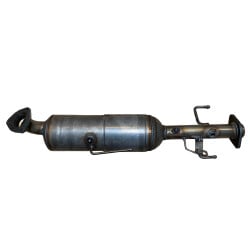
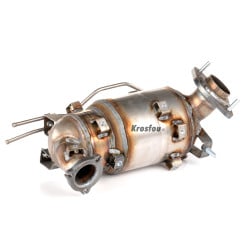
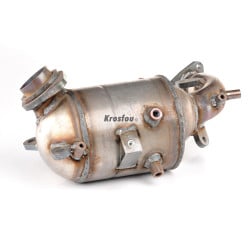
The Toyota Auris Diesel Particulate Filter (DPF) is a critical component in reducing harmful diesel emissions and maintaining engine performance. Positioned just after the catalytic converter in the exhaust system, the DPF is made from high-resistance ceramic designed to trap soot particles generated during diesel combustion. These particles consist of carbon cores with attached hydrocarbons, sulfates, sulfur, and metal oxides, which the filter captures to prevent them from polluting the atmosphere.
The DPF operates through two regeneration processes: passive regeneration, where trapped soot burns off at exhaust temperatures of 550 to 600°C during normal driving at higher loads; and active regeneration, involving fuel injection into the exhaust to raise the filter's temperature to about 450°C, aided by special fuel additives. Over time, residual ash accumulates in the filter, which is a normal part of its lifecycle but may eventually cause blockages.
Signs of a clogged DPF include warning lights on the dashboard, reduced engine power, and increased fuel consumption. Maintenance options range from forced regeneration via diagnostic tools to chemical cleaning treatments designed to restore efficiency. In severe cases, replacement of the DPF is necessary. Proper care, such as regular highway driving and using quality fuel with additives, helps extend the DPF’s life and ensures compliance with emission standards for Toyota Auris models.
-
Avensis
The Toyota Avensis diesel particulate filter (DPF) is a crucial emission control component designed to capture up to 80% of harmful particles like soot, hydrocarbons, and sulfates from diesel engine exhaust. Positioned after the catalytic converter, the DPF uses a high-quality ceramic filter to trap these pollutants, helping your vehicle comply with stringent environmental regulations. This system relies on both passive and active regeneration processes to burn off accumulated soot and maintain optimal performance. For regeneration, the DPF requires sustained driving conditions, typically at speeds over 65 km/h and engine speeds above 1800 rpm for 20–30 minutes, making highway driving essential to prevent filter clogging.
Common issues associated with the DPF on Toyota Avensis models, including the 2.0 D-4D and 2.2 Combi variants, stem from repeated short trips or urban driving that prevent proper regeneration. Symptoms like white smoke, increased engine idle, power loss, and dashboard DPF warning lights indicate possible filter blockage. Regular maintenance, including manual regeneration following Toyota’s procedure and professional cleaning using chemical or ultrasonic methods, can extend the DPF’s lifespan. Replacement is straightforward, with quality DPF filters available that meet manufacturer specifications and European standards, ensuring both performance and environmental safety.
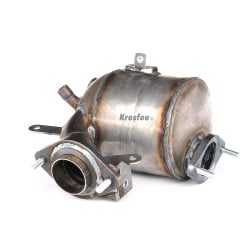
Krosfou offers high-quality, durable diesel particulate filters for the Toyota Avensis, made with advanced stainless steel and ceramic technology certified by TÜV SÜD. For security and compliance with your vehicle’s emission system and rules, trust Krosfou’s innovative solutions. Contact us to discover how our products and services can keep your Toyota Avensis running cleanly and efficiently, while respecting new regulations and ensuring long-term reliability.
-
Corolla
The Toyota Corolla diesel particulate filter (DPF) is a crucial component designed to significantly reduce harmful emissions from diesel engines. Positioned after the catalytic converter, the DPF traps up to 80% of fine particulate matter such as carbon soot, hydrocarbons, sulfates, and metallic oxides, helping your vehicle meet strict emission standards. This ceramic filter operates by forcing exhaust gases through a porous substrate that captures particulates while allowing gases to pass.
DPF regeneration is key to maintaining performance. Passive regeneration occurs during sustained high-speed driving when exhaust temperatures reach 550-600°C, burning off accumulated soot into ash. Active regeneration, triggered by the engine control unit when necessary, injects extra fuel to raise the temperature and clean the filter. Proper driving habits—such as regular highway journeys at adequate RPM—are recommended to avoid clogging, a common issue that causes increased back pressure, power loss, and DPF warning lights. Manual regeneration procedures are also available for Toyota models if auto-regeneration fails.
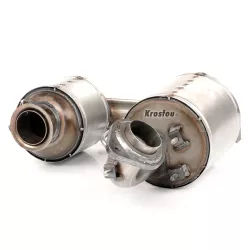
Krosfou offers high-quality, durable diesel particulate filters specifically engineered for Toyota Corolla diesel engines. Manufactured in stainless steel with premium ceramic monoliths, our DPFs ensure excellent filtration, durability, and compliance with European standards. Trust Krosfou for reliable DPF solutions that protect your engine, improve performance, and contribute to a cleaner environment.
-
Land Cruiser J150 (2009-2023)
The Toyota Land Cruiser Prado J150 diesel engines, including the 2.8 D-4D (1GD-FTV) and 3.0 TDi (1KD-FTV), are equipped with advanced Diesel Particulate Filters (DPF) designed to meet stringent emission standards. This crucial filter captures and retains about 80% of harmful soot particles from exhaust gases, significantly reducing environmental impact. The DPF operates through an automatic regeneration process every 300 km, burning off accumulated particulates at high temperatures either passively with hot exhaust gases or actively via fuel injection, which may produce visible white vapor.
Urban driving with frequent stops can cause the DPF to clog due to insufficient heat for regeneration, triggering dashboard warning lights and impacting engine performance. To avoid this, driving continuously at speeds over 65 km/h for 20-30 minutes helps ensure proper filter cleaning. In case of persistent clogging, manual regeneration procedures are available and involve specific engine and DPF operations to safely clear soot. Quality replacement DPFs for the Land Cruiser J150 are manufactured from durable stainless steel, fitted with high-grade monoliths, and comply with European standards to ensure long-lasting performance and regulatory compliance.
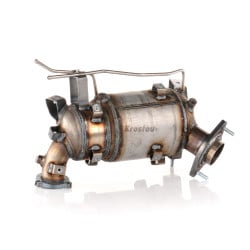
Choosing a premium DPF guarantees vehicle efficiency, reduced emissions, and adherence to environmental and safety regulations. For professional guidance or part compatibility, consulting certified dealerships or technical experts is recommended. Krosfou offers high-quality, guaranteed DPFs engineered to maintain your Toyota Land Cruiser's optimal functioning and environmental responsibility, supported by expert services and a robust warranty.
-
RAV4
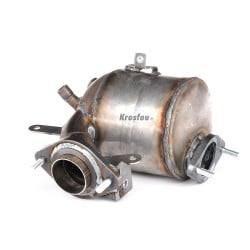
The Toyota RAV4 Diesel Particulate Filter (DPF) is a crucial component in reducing harmful emissions from diesel engines. Integrated into the exhaust system, just behind the catalytic converter, the DPF uses a ceramic structure with microscopic channels that trap fine soot particles produced during combustion. This filter helps prevent toxic particulates from entering the atmosphere, ensuring compliance with strict environmental standards and protecting public health.
To maintain optimal engine performance and prevent issues, the DPF undergoes a regeneration process that burns off accumulated soot. This can be passive—occurring naturally during steady, high-speed driving—or active, triggered by the vehicle injecting extra fuel to raise exhaust temperatures. In some cases, professional forced regeneration may be required when the filter is heavily clogged. Common causes of DPF saturation include frequent short trips, poor fuel quality, faulty sensors, or neglected maintenance.
For Toyota RAV4 models like the 2.0 D-4D Euro 5, keeping the DPF clean is essential to avoid engine warning lights and maintain driving efficiency. Regular highway driving, timely servicing, and using recommended additives help extend DPF life and prevent costly repairs. Understanding the DPF system’s role in emissions control and following proper care guidelines ensures your Toyota RAV4 remains environmentally friendly and runs smoothly.
-
Verso
The Toyota Verso Diesel Particulate Filter (DPF) is a crucial emission control component designed to reduce harmful soot particles produced by diesel engines, specifically models like the Verso S 1.4 D-4D and Verso 2.0 D-4D. Positioned after the catalytic converter in the exhaust system, this ceramic filter captures around 80% of particulate matter, including carbon cores bound with hydrocarbons, sulfates, and metallic oxides, helping vehicles comply with strict Euro 5+ emission standards. The DPF operates through passive and active regeneration cycles to burn off accumulated soot, thereby maintaining engine performance and lowering pollution.
Regular regeneration occurs automatically during longer drives when exhaust temperatures reach 550-600°C, while active regeneration can be triggered by the engine control unit injecting fuel to raise filter temperature during frequent urban stops. Symptoms of DPF issues include warning lights, power loss, and increased emissions, often caused by short trips with insufficient heat to clean the filter. Preventative maintenance includes driving at sustained highway speeds every 300 km, and in some cases, manual or diagnostic tool-assisted regeneration is necessary to restore filter function.
For Toyota Verso owners seeking reliable diesel particulate filters, ensuring proper usage and timely maintenance is essential. Our expert solutions focus on quality, longevity, and compliance with environmental regulations, helping you preserve your vehicle’s efficiency, safety, and emission standards. Contact us to discover how you can extend the life of your filter and secure your Toyota’s performance with trusted, high-quality DPF options.
-
Yaris
The Toyota Yaris Diesel Particulate Filter (DPF) is a crucial component designed to reduce harmful emissions from diesel engines, particularly in popular models like the 1.4 D-4D. Positioned after the catalytic converter in the exhaust system, the DPF captures soot particles emitted by the engine, significantly cutting down particulate pollution. This filter operates through passive regeneration, where accumulated soot is burned off during high-temperature driving conditions, and active regeneration, which involves controlled fuel injection to raise the filter's temperature and cleanse it efficiently.
However, the DPF can face issues such as blockage caused by soot buildup, especially from frequent short trips or urban driving that prevent proper regeneration. Symptoms of a clogged DPF include engine fault lights, reduced engine power, and specific diagnostic trouble codes like P2463, indicating soot accumulation and requiring maintenance. Regular checks of sensor signals and soot levels via diagnostic tools are essential to ensure normal operation.
Proper maintenance combines regular high-speed driving to allow regeneration, occasional cleaning with specialized products or professional chemical washes, and timely replacement if blockage exceeds critical levels. Krosfou offers high-quality, durable, and certified DPF products made from stainless steel and advanced ceramics, ensuring excellent performance and longevity for Toyota Yaris diesel engines. Choosing the right DPF product with reliable shipping and customer feedback support helps maintain your vehicle’s engine health and comply with emission standards across Europe.
Select your vehicle
×
TOYOTA Diesel Particulate Filter DPF

When your Toyota diesel engine starts running rough, displays a warning light, or burns more fuel than expected, chances are your Diesel Particulate Filter (DPF) is involved. This exhaust particulate filter is responsible for capturing soot and other particulate matter before it leaves the exhaust system, helping your vehicle comply with Euro emissions standards.
But over time, this filter can get...
Other products that may interest you
Find your Diesel Particulate Filter / DPF by specifying your model