

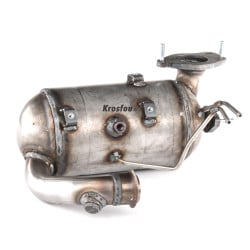
-
A-Class
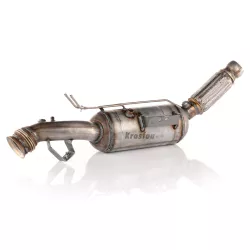
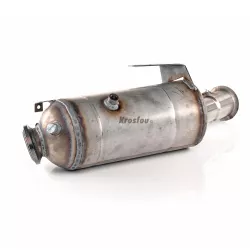
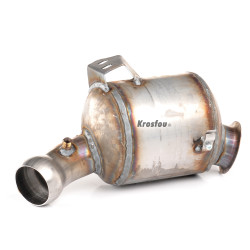
The Mercedes A-Class diesel particulate filter (DPF) is a critical component designed to reduce harmful diesel particle emissions and ensure compliance with stringent Euro 5 and Euro 6 standards. This advanced filter, typically made from porous ceramic with a honeycomb structure, traps soot particles from the exhaust gases, preventing them from being released into the environment. Over time, soot builds up, increasing exhaust back pressure, which can lead to warning lights such as the DPF light or engine light activating, often associated with error code P2463.
DPF regeneration is a key process where accumulated soot is burned off at high temperatures, typically around 600°C, either passively during long highway drives or actively through controlled combustion initiated by the engine control unit (ECU). In Mercedes diesel engines like the OM651 found in models such as the A 200 CDI, sensors constantly monitor pressure differences and temperatures before and after the DPF to optimize this regeneration cycle. Failure to complete regeneration due to frequent short trips can cause rapid soot buildup, reducing engine efficiency and risking filter clogging.
Krosfou offers high-quality Mercedes A-Class DPFs built with premium materials and certified to meet or exceed manufacturer and European standards. Their reliable filters ensure excellent soot filtration and durability, helping maintain optimal exhaust performance and reducing expensive repairs. Proper maintenance, including regular highway driving for effective regeneration and the use of correct low-SAPS oils, can enhance DPF lifespan and keep your Mercedes Benz running clean and efficiently.
-
B-Class
The Diesel Particulate Filter (DPF) in the Mercedes B-Class diesel models is a critical exhaust system component designed to trap and remove harmful soot particles emitted during combustion. Positioned after the catalytic converter, this ceramic-based filter effectively captures particulate matter, helping to reduce vehicle emissions and comply with stringent environmental regulations. The DPF operates through passive regeneration, burning off accumulated soot at high temperatures during highway driving, or active regeneration, where the engine management system injects fuel to raise exhaust gas temperature for cleaning when normal conditions are insufficient.
Key to its function is the differential pressure sensor, which monitors soot loading by measuring pressure changes before and after the filter. When the soot level exceeds a threshold, the vehicle may display fault codes (such as P2463), loss of power, or a glowing warning light on the dashboard indicating DPF blockage. Timely maintenance, including cleaning or replacement, is essential to prevent severe clogging and maintain optimal performance. Proper fuel and oil quality, along with regular long-distance driving, can help minimize soot buildup and prolong the DPF lifespan.
Krosfou offers high-quality, durable, and fully compliant DPFs manufactured in Europe using premium materials, delivering reliable exhaust emission control for Mercedes B-Class diesel vehicles. Our filters are engineered to restore your car’s diesel particulate filtration system to factory standards, ensuring improved engine efficiency, reduced emissions, and compliance with environmental norms—all backed by professional support and a solid warranty.
-
C-Class
The Diesel Particulate Filter (DPF) in the Mercedes C-Class diesel models is an essential component designed to drastically reduce harmful soot emissions from the engine’s exhaust. Installed downstream of the catalytic converter, the DPF captures particulate matter composed of carbon, hydrocarbons, metal oxides, and sulfates. It effectively reduces vehicle pollution by 80-90%, ensuring compliance with stringent Euro 6 emission standards. The filter is made of durable silicon carbide ceramic, built to withstand high temperatures during the regeneration process.
DPF regeneration is a critical function where accumulated soot is burned off at temperatures between 450°C to 600°C, either passively while driving at higher speeds or actively through fuel injection controlled by the vehicle's ECU under low temperature conditions. Specialized sensors monitor pressure differences to manage this process effectively. Malfunctions, such as clogging indicated by fault codes like P2463, can cause loss of engine power or limp mode, often requiring cleaning or replacement of the DPF and related sensors.
Krosfou offers high-quality, stainless steel DPFs manufactured in Europe that meet or exceed manufacturer specifications, providing reliable performance and durability for Mercedes C-Class vehicles. Supported by expert technical assistance and a 3-year warranty, these DPFs ensure your diesel engine runs cleanly and efficiently, preserving both vehicle performance and environmental safety. Trust Krosfou for premium access to durable, original-specification diesel particulate filters for your Mercedes star.
-
Citan (2012-2021)
The Mercedes Citan Diesel Particulate Filter (DPF) is a vital component engineered to reduce harmful emissions from diesel engines, specifically designed for the Mercedes Citan 415 109 CDI 1.5L Diesel engine. This essential filter captures soot particles produced during diesel combustion, ensuring compliance with stringent Euro 5 emission standards effective from 2012 onwards. Equipped with an OM 607.951 (K9K) engine specification, the DPF weighs approximately 6800 grams and plays a crucial role in maintaining a clean exhaust system and optimal engine performance.
DPF functionality includes passive and active regeneration processes that burn off accumulated soot during regular and urban driving conditions, respectively. Drivers should check for warning lights that indicate when the DPF needs attention—yellow lights suggest regeneration is required, while red lights warn of critical blockage that may cause engine power reduction. Other indicators of DPF issues include increased fuel consumption, black smoke emission, and loss of engine power. Regular checks at the garage and adherence to maintenance schedules help ensure the longevity and efficient operation of this particulate filter.
Krosfou offers high-quality, durable Mercedes Citan Diesel Particulate Filters produced with advanced materials and technology for long-lasting performance. Our DPFs meet original equipment standards, providing an excellent solution for drivers seeking effective diesel emission control that supports responsible driving and environmental protection. Trust in our expertise for reliable DPF replacements and expert advice to keep your Mercedes Citan running clean and efficient on every drive.
-
CLA-Class C117 (2013-2019)
The Mercedes CLA-Class Diesel Particulate Filter (DPF) for the C117 model is a crucial component of the vehicle’s diesel exhaust system, designed to reduce harmful particulate emissions and maintain optimal engine performance. Manufactured using advanced materials like silicon carbide (SiC) or cordierite, these DPFs meet stringent Euro 5 and Euro 6 emission standards. With lengths ranging from 990 to 1070 mm and weights between 7.2 and 8.9 kg, the DPF is positioned downstream of the catalytic converter to efficiently trap soot and fine particles.
Compatible primarily with Mercedes CLA 220 CDI and d 2.1 engines (OM 651.930 diesel), the DPF supports engine power of around 177 hp, while featuring a maximum ash load capacity of up to 60 g. A clogged or failing DPF can cause increased fuel consumption, reduced engine power, and trigger warning lights such as the “Check Engine” indicator with fault code P2463. Proper maintenance through chemical cleaning, natural regeneration by driving at steady speeds, or forced regeneration via diagnostic tools helps restore filter performance and reduces replacement costs.
Krosfou offers original, high-quality Mercedes CLA C117 DPFs made in Europe, ensuring reliable performance and durability. Our filters combine premium materials and advanced manufacturing for reduced emissions and enhanced vehicle efficiency. With delivery and competitive pricing options, Krosfou provides fully compatible and efficient DPFs for your Mercedes CLA-Class coupe, supporting your vehicle’s longevity and environmental compliance.
-
CLC-Class Cl203 (2000-2011)
The Mercedes CLC-Class (CL203) diesel models are equipped with advanced Diesel Particulate Filters (DPF) to significantly reduce harmful emissions and comply with stringent Euro 4 standards. Designed primarily for the OM646 engine variants in the CLC 200 CDI and CLC 220 CDI, these filters capture up to 99% of soot particles produced during combustion. Integrated within the exhaust system, the DPF plays a crucial role in maintaining optimal engine performance by filtering particulate matter while utilizing active and passive regeneration processes to prevent blockage.
Choosing the right DPF for your Mercedes CLC-Class is essential for preserving exhaust flow, maintaining fuel efficiency, and avoiding warning lights related to filter clogging issues. Replacement DPFs must meet strict quality standards to fit precisely and work reliably with the vehicle’s sensors and engine management system. Regular service and timely replacement not only restore performance and power but also safeguard your car from costly repairs caused by prolonged DPF faults.
Reliable, high-quality DPFs suitable for the Mercedes CLC-Class CL203 series can be purchased online with efficient shipping options. Selecting a trusted brand ensures durability and safe operation while effectively reducing diesel particulate emissions. Investing in a genuine DPF replacement protects your car’s environment compliance and provides peace of mind for daily driving.
-
CLK-Class
The Mercedes CLK-Class, known primarily for its gasoline-powered engines, notably does not feature a diesel version equipped with a Diesel Particulate Filter (DPF). Despite this, understanding the role and maintenance of DPFs in Mercedes diesel vehicles remains essential for owners of related models such as the GLK, E-Class, or C-Class. The DPF plays a critical role in reducing harmful particulate emissions by trapping fine soot particles in the exhaust system, located downstream of the turbocharger and integrated with a catalytic converter. Equipped with sensors monitoring pressure and temperature, the DPF manages self-cleaning through passive and active regeneration to maintain optimal performance and comply with emissions standards.
DPF issues manifest as warning lights, reduced engine power due to increased exhaust backpressure, and degraded acceleration—symptoms commonly seen in diesel Mercedes models. Regular maintenance includes forced regeneration or chemical cleaning to prevent excessive soot build-up, with replacement advised when regeneration fails repeatedly or soot accumulation surpasses thresholds. Proper driving patterns, including regular highway use, support passive DPF cleaning. While the CLK-Class does not carry this component, insights into DPF functionality and upkeep are invaluable for those managing diesel Mercedes-Benz vehicles, ensuring clean exhaust, efficient engine performance, and compliance with environmental regulations.
Explore high-quality particulate filters designed to meet Mercedes-Benz standards, offering reliability and longevity. Whether cleaning, replacing, or diagnosing, ensure your diesel Mercedes benefits from expert solutions tailored to preserve the vehicle’s emission system health and overall driving efficiency.
-
CLS-Class
The Diesel Particulate Filter (DPF) in Mercedes CLS-Class Diesel models is a crucial component designed to reduce soot emissions and ensure compliance with environmental standards. This advanced filter captures particulate matter from exhaust gases, helping the vehicle meet strict Euro 4 and Euro 5 regulations common in models like the CLS 350 CDI (C218) with OM 642 engines and CLS 320 CDI (C219).
The DPF requires regular regeneration—either passive by driving at higher speeds to burn off soot at temperatures between 450-550°C, or active regeneration using diagnostic tools—to prevent clogging. When a DPF becomes blocked, drivers may notice engine power loss, increased fuel consumption, and a check engine light, often accompanied by fault codes indicating excessive particulate loading above 200%. Proper maintenance includes timely cleaning or replacement, typically after 145,000 to 185,000 km depending on vehicle usage.
High-quality filters like those offered by Krosfou are manufactured with durable materials such as stainless steel and feature advanced ceramic substrates to ensure long-lasting performance and reliable emissions control. Alongside compatible sensors, DPFs maintain optimal exhaust flow and engine efficiency. Choosing a well-engineered Mercedes-Benz DPF protects your engine, improves fuel economy, and contributes to cleaner air by effectively trapping harmful diesel particulates.
-
E-Class
The Diesel Particulate Filter (DPF) in Mercedes E-Class diesel models is a critical component of the vehicle’s exhaust system, designed to capture and reduce harmful soot and particulate emissions. Introduced by Mercedes as early as 2003 on their E-Class CDI models, this advanced filtering technology significantly lowers the amount of particulate matter released into the atmosphere, supporting compliance with stringent EU emission standards. The DPF is situated downstream of the catalytic converter, often integrated within the turbocharger system, and consists of a ceramic or cordierite honeycomb structure that traps fine particles produced during diesel combustion.
To maintain optimal engine performance and prevent blockage, the DPF relies on two types of regeneration processes: passive regeneration, which occurs naturally at high exhaust temperatures during highway driving, and active regeneration, initiated by the vehicle’s ECU injecting extra fuel to raise the filter’s temperature and burn off accumulated soot. Sensors monitor pressure and temperature to detect soot buildup, triggering cleaning cycles to ensure continuous operation. Regular maintenance or professional cleaning is recommended, especially for city driving where short trips limit regeneration effectiveness and risk soot accumulation.
Choosing a high-quality DPF for your Mercedes E-Class diesel ensures extensive durability, efficient exhaust gas filtration, and compliance with emission regulations. At Krosfou, we provide premium DPFs manufactured with advanced technology and tested to meet or exceed original equipment standards, contributing to cleaner air and smoother vehicle operation while preserving power and fuel efficiency.
-
GL-Class
The Diesel Particulate Filter (DPF) in the Mercedes GL-Class, including models like the GL350 3.0 V6 CDI, is a critical component designed to trap soot particles from exhaust gases, ensuring compliance with strict emission standards. This advanced filter system uses a honeycomb ceramic structure to capture particulates, preventing harmful emissions and promoting cleaner air. However, like all DPFs, it can become clogged over time, leading to increased backpressure, error codes such as P2463, and potential limp mode, which reduce engine performance and fuel efficiency.
DPF regeneration is key to maintaining optimal function: passive regeneration burns off accumulated soot at high exhaust temperatures during highway driving, while active regeneration injects extra fuel to raise temperatures and clear the filter when needed. The Mercedes GL-Class relies on sensors like the differential pressure sensor to monitor the filter’s condition, alerting the driver when cleaning or replacement is necessary.
Regular maintenance and timely cleaning or replacement of the DPF help avoid costly repairs and maintain vehicle performance. Choosing high-quality, durable DPFs and components that meet or exceed OEM standards — like those offered by Krosfou — ensures reliability and compliance with European regulations. For Mercedes GL-Class diesel owners seeking to optimize emissions control, investing in a premium diesel particulate filter is essential to extend engine life, improve exhaust performance, and meet environmental requirements.
-
GLA X156 (2014-2020)-Class
The Mercedes GLA X156-Class diesel models, including popular variants like the GLA 180 CDI with the OM 607.951 engine, are equipped with advanced Diesel Particulate Filters (DPF) integrated into their exhaust systems. These filters play a critical role in reducing harmful emissions by capturing carcinogenic soot particles from incomplete diesel combustion. Utilizing porous filter walls, the DPF effectively traps particulate matter while managing exhaust backpressure to maintain engine efficiency.
DPF operation relies on both passive and active regeneration processes to burn off accumulated soot. Passive regeneration occurs during sustained high-temperature driving conditions, such as highway trips, where the catalytic converter ignites trapped soot naturally. Active regeneration is triggered when sensors detect increased soot load or backpressure, prompting additional fuel injection to reach temperatures above 600°C to clear the filter.
Common issues with the Mercedes GLA X156 DPF include clogging that can cause engine warning codes (e.g., P2463), reduced performance, and sensor malfunctions. Regular maintenance such as professional cleaning or replacement with high-quality, factory-grade DPF parts ensures optimal performance and longevity. Selecting a reliable diesel particulate filter from a trusted brand like Krosfou guarantees compliance with emission standards and supports a cleaner, more efficient exhaust system. Proper care and sensor monitoring are essential for preventing expensive repairs and maintaining your Mercedes-Benz GLA’s environmental compliance.
-
GLC-Class (2015-2022)
The Mercedes GLC-Class Diesel Particulate Filter (DPF) is a crucial component designed to reduce harmful emissions from diesel engines. Positioned after the catalytic converter within the exhaust system, the DPF captures soot, hydrocarbons, and other particulates produced during combustion, effectively reducing pollution and helping the vehicle comply with stringent environmental standards. This advanced filter, made from ceramic materials, requires regular regeneration to burn off accumulated soot and maintain optimal function. Regeneration occurs either passively at high exhaust temperatures during highway driving or actively via controlled fuel injection to increase heat when needed.
DPF maintenance is essential for the longevity and performance of the Mercedes GLC, especially on diesel models. A clogged or malfunctioning DPF can cause power loss, increased smoke emissions, and engine warning lights. Typical symptoms often arise after frequent short trips where passive regeneration is insufficient. Proper driving habits, such as consistent highway use around 60-80 km/h for 24-26 minutes, help sustain the filter’s cleaning cycle and prevent costly issues.
Replacing the DPF on a Mercedes GLC is a straightforward process, typically requiring around two hours, with parts and labor costs reflecting the high-quality, durable design. Maintaining this critical exhaust component ensures reduced emissions, optimal engine performance, and compliance with environmental regulations, reinforcing the Mercedes-Benz brand’s commitment to innovation and responsible driving.
-
GLE-Class
The Mercedes GLE-Class Diesel Particulate Filter (DPF) is a vital component of the vehicle’s exhaust and emission control system, designed to trap and eliminate up to 99% of harmful soot particles generated by diesel combustion. Installed in the exhaust line after the catalytic converter, the DPF uses advanced ceramic honeycomb technology to efficiently capture fine particulate matter, reducing pollution and improving air quality. The filter undergoes regeneration processes—both passive at high temperatures during highway driving, and active via controlled fuel injection—to burn off accumulated soot and maintain optimal performance.
Specifically tailored for popular diesel models like the Mercedes GLE 350 d 4MATIC, the DPF system combines robust filtration with Selective Catalytic Reduction (SCR) using AdBlue to further reduce nitrogen oxide emissions. Regular maintenance and cleaning are essential to avoid clogging issues typical in urban driving conditions with frequent idling or short trips. Professionals and vehicle owners can benefit from several cleaning and regeneration options ranging from simple diagnostics-driven cleaning products and forced regeneration cycles to complete removal and mechanical cleaning.
Optimizing the care and replacement of Mercedes GLE-Class diesel particulate filters ensures long-term vehicle performance, lower emissions, and compliance with environmental standards. Choosing quality DPFs manufactured with premium materials and certified to meet or exceed OEM specifications is key for reliability and durability in your Mercedes diesel vehicle.
-
GLK-Class X204 (2008-2015)
The Mercedes GLK-Class Diesel Particulate Filter (DPF) for the X204 model, produced between 2008 and 2015, is a critical component designed to meet Euro 5 emission standards. This filter effectively captures fine particulate matter from the exhaust gases of diesel engines such as the OM651 2.2L, reducing harmful emissions and contributing to cleaner air. Compatible with multiple diesel variants including the 220 CDI, 220 CDI 4-Matic, 250 CDI 4-Matic, and 320 CDI 4-Matic, the DPF is typically made from high-quality cordierite or silicon carbide materials, offering durability and optimal filtration performance.
Maintaining your Mercedes GLK DPF is important to ensure engine efficiency and emission compliance. Recommended replacement intervals range between 120,000 km to 190,000 km, depending on driving conditions. Regular regeneration processes, either automatic or manual, help burn off accumulated soot and maintain filter functionality. Common symptoms of DPF issues include increased fuel consumption, loss of power, and check engine light activation, often linked to sensor malfunctions or clogging.
For reliable replacement and maintenance, choose a high-quality, original-equipment standard DPF designed specifically for the Mercedes GLK-Class X204. These filters provide a perfect fit with OBD compatibility and warranties, ensuring restoration of your vehicle’s emission system while maintaining engine performance and meeting environmental regulations effectively.
-
GLS-Class X166 (2015-2019)
The Diesel Particulate Filter (DPF) for the Mercedes GLS-Class X166, specifically designed for models like the GLS 350 d 4-MATIC equipped with the OM642.826/864 engine, is a crucial component in controlling exhaust emissions. This OEM filter traps harmful diesel particles, helping to reduce pollution and maintain engine efficiency. Over time, the DPF accumulates soot and ash, necessitating regular regeneration and eventual replacement between 120,000 to 170,000 kilometers to prevent engine issues and maintain compliance with emission standards.
Key symptoms of a failing DPF include increased fuel consumption, reduced engine power, and the illumination of the Check Engine light. Advanced diagnostic tools such as Xentry can measure ash content, ensuring precise monitoring and maintenance. Regeneration techniques—passive by driving at specific speeds, or forced using specialized equipment—are essential to clearing soot build-up and preserving filter function. Additionally, maintenance of differential pressure sensors near the rear of the filter ensures optimal performance and accurate DPF control.
Krosfou offers high-quality, original stainless steel DPFs manufactured in Europe with TÜV certification, providing reliable, long-lasting solutions for Mercedes-Benz vehicles. With worldwide shipping, expert support, and a three-year warranty, these filters enhance fuel efficiency, engine performance, and environmental responsibility for Mercedes GLS drivers seeking OEM-standard replacement DPFs.
-
ML-Class
The Diesel Particulate Filter (DPF) plays a crucial role in the exhaust system of Mercedes ML-Class diesel vehicles, including the popular ML 350 BlueTEC 4-MATIC CDI models. This advanced filter captures harmful soot and fine particles generated by diesel combustion, substantially reducing pollutant emissions to help the vehicle meet stringent European emission standards such as Euro 5 and Euro 6. Positioned after the turbocharger, the DPF uses a porous ceramic substrate with blocked ends, forcing exhaust gases through it while trapping particulates inside. The system relies on differential pressure sensors and temperature probes to monitor soot accumulation and ensure optimal performance. When soot reaches a critical level, active or passive regeneration processes burn off the deposits to restore filter efficiency. Passive regeneration occurs when exhaust temperatures exceed 600°C, naturally oxidizing soot on a catalytic metal oxide coating, while active regeneration involves the engine control unit injecting extra fuel to raise temperatures to around 600–650°C for soot incineration. Regular maintenance, including cleaning with specialized products or professional services, is essential to prevent clogging, which can lead to performance loss, increased fuel consumption, and engine warning codes such as P2463. Quality Diesel Particulate Filters for Mercedes ML-Class, manufactured to OEM specifications and backed by warranties, ensure durability and reliability, supporting eco-friendly driving and compliance with emission regulations worldwide.
-
R-Class W251 (2005-2017)
The Mercedes R-Class W251, especially the R 350 CDI 3.0 4-Matic model with the OM642 engine, features a critical diesel particulate filter (DPF) that plays a vital role in capturing soot particles from exhaust gases to meet Euro 5 emission standards. This advanced DPF system requires regular regeneration to burn off accumulated soot and is recommended for replacement between 120,000 and 190,000 km to maintain optimal vehicle performance. Key signs of a clogged or faulty DPF include increased fuel consumption, loss of engine power, and the illumination of the Check Engine light showing error codes like P2463 or P2002, which indicate soot build-up or decreased filter efficiency. Proper DPF maintenance involves a combination of passive and active regeneration, often achieved by driving at consistent speeds of 60-80 km/h for about 25-30 minutes, reaching combustion temperatures around 600°C. Additionally, specialized additives such as Xenum or MOTUL Diesel DPF Cleaner can assist in cleaning without disassembly. When replacement is necessary, installing a high-quality DPF followed by a reset or teach-in process with a diagnostic scanner ensures all soot and ash counters are cleared, preventing further code errors or limp mode issues. Krosfou offers premium diesel particulate filters designed for Mercedes R-Class W251, crafted in stainless steel for durability, complying with strict European standards, and backed by a 3-year warranty, making them a trusted choice for efficient exhaust emission management.
-
S-Class
The Diesel Particulate Filter (DPF) in the Mercedes S-Class, especially models like the W222 with the OM656 diesel engine, is a crucial component for maintaining exhaust system safety and environmental compliance. Positioned after the catalytic converter, this high-quality ceramic filter traps harmful soot particles—carbon nuclei combined with hydrocarbons, sulfates, sulfur, and metallic oxides—emitted during diesel combustion. Designed with durable materials and advanced technology, it effectively captures and reduces up to 90% of fine particulate emissions in compliance with strict Euro 6 regulations.
DPF operation involves both passive and active regeneration processes: passive regeneration burns off soot at high exhaust temperatures during highway driving, while active regeneration uses fuel additives and targeted heating to maintain filter performance at lower temperatures. Sensors monitor differential pressure, NOx, and temperature to ensure optimal functioning. However, excessive soot buildup can cause blockages, triggering warning lights and faults such as error code P2463, necessitating professional cleaning, repair, or replacement to avoid costly engine damage.
Maintaining Mercedes S-Class DPFs demands adherence to manufacturer guidelines, thorough cleaning methods, and appropriate driving conditions to prolong filter life. Krosfou provides premium, stainless steel DPF replacements engineered to meet strict European standards, supported by expert technical assistance and a three-year warranty. This ensures vehicle efficiency, compliance with emissions laws, and enhanced safety for drivers and the environment alike.
-
Sprinter
If you're driving a Mercedes Sprinter, your diesel vehicle depends on a diesel particulate filter (DPF) to reduce harmful emissions and keep the engine running smoothly. At Krosfou, we focus on advanced emission control systems, offering both original and aftermarket DPF units for a wide range of Mercedes-Benz models—especially the Sprinter W906 diesel particulate series from 2009 to 2015.
Whether you’re dealing with an ongoing regeneration cycle, experiencing reduced power, or comparing prices for a new filter for Mercedes-Benz, we supply tested and EEC DPF-compliant components that combine high quality, long life, and smart pricing.
Let’s explore how the DPF system works, what to watch for, and your best options for keeping your Sprinter van in top shape.
DPF's Mercedes most sold:
The Krosfou Diesel Particulate Filters are available for most Mercedes car models: Mercedes B Class DPF, Mercedes GLK DPF, Class A Mercedes DPF, and many others. -
V-Class W447 (2014-Today)
The Diesel Particulate Filter (DPF) for the Mercedes V-Class W447 is a critical component designed to reduce harmful particulate emissions in diesel engines. Manufactured using high-quality materials like silicon carbide and cordierite, these filters effectively capture soot particles to comply with stringent Euro 4, 5, and 6 emission standards. Compatible with various diesel engine models such as the V 200, V 220 CDI/d, V 250, and V 300, the DPF ensures optimal vehicle performance and environmental compliance. Typical DPFs for the W447 range in length from 960 to 1260 mm and weigh between 6 to 8.5 kg, featuring built-in OBD equipment for diagnostic monitoring.
A clogged or faulty DPF can lead to increased fuel consumption, reduced engine power, and the illumination of the Check Engine warning light. To maintain peak performance, regeneration methods—either passive by driving at specific speeds or active using diagnostic tools—are essential to clear accumulated soot. Replacement is generally recommended every 135,000 to 175,000 km to prevent costly engine damage. High-quality DPFs available in this category come with manufacturer warranties and adhere to strict OEM standards, ensuring reliable emission control and long-term durability for your Mercedes V-Class W447.
Choosing an original and well-performing DPF from a trusted store guarantees seamless integration and sustained emission system efficiency. With options for fast delivery and flexible return conditions, purchasing the right DPF enhances your vehicle’s exhaust system, reduces pollution, and supports regulatory compliance—all while maintaining the Mercedes-Benz standard of excellence in automotive technology.
-
Viano W639 (2003-2014)
The Mercedes Viano Diesel Particulate Filter (DPF) for model W639 is an essential component designed to reduce harmful soot emissions from diesel engines. Compatible with various Mercedes Viano W639 diesel engines such as the 2.2 CDI, 2.1 CDI, and 2.0 CDI, this DPF complies with Euro 5 emission standards to ensure your vehicle meets environmental regulations. Made from high-quality cordierite material and weighing approximately 4.6 kg, the DPF effectively traps particulate matter, preventing it from polluting the atmosphere.
This diesel particulate filter features different versions based on sensor placement, including options with left or right pressure sensor holes or versions without a lateral sensor hole. The DPF system operates through automatic regeneration, where engine management detects soot buildup via a differential pressure sensor and initiates a cleaning process that heats the filter up to 550°C to burn off accumulated soot. Regular regeneration helps maintain engine performance and prevents DPF blockage, particularly important for those driving frequently in urban environments.
Maintaining and replacing the DPF at recommended intervals, usually around 180,000 km, is critical for optimal exhaust performance and emission control. Krosfou offers high-quality, durable DPF units built to factory standards, ensuring excellent value as a spare part for Mercedes Benz Viano W639 vans. Investing in a reliable diesel particulate filter not only extends your van’s engine life but also contributes to cleaner air and compliance with emission regulations.
-
Vito
Looking for a dependable diesel particulate filter (DPF) for your Mercedes-Benz Vito or Viano ? Whether you're upgrading for Euro 4 DPF compliance or replacing a blocked unit, Krosfou has the high-quality solution you need.
We specialise in dieselpartikelfilter (FAP) and katalysator systems for all major CDI engines, including the Vito 122 CDI, Mixto, and Mercedes-Benz Viano. Our range includes filters for commercial vans, family carriers, and high-mileage fleet vehicles. Designed for both city traffic and long-distance driving, our premium products control soot accumulation, restore airflow, and reduce fuel consumption—all at discount prices.
Your vehicle’s exhaust system relies on a clean and effective particulate filter to trap emissions. When clogged, the DPF can trigger a warning message, cause unusual engine noises, and lead to reduced engine power. Our filters are designed for maximum durability and regeneration efficiency, compatible with turbo and non-turbo models, and meet OEM standards across Euro 4, 5, and 6 categories.
Whether you're driving a W639 or W447 series, Krosfou offers a DPF for Mercedes Vito that's engineered to last. Need an original-style replacement or a DPF soot particulate filter with combined cat-DPF box design ? We have the bestsellers in stock—ready for online sale at the best price.
DPF's Mercedes most sold:
The Krosfou Diesel Particulate Filters are available for most Mercedes car models: Mercedes B Class DPF, Mercedes GLK DPF, Class A Mercedes DPF, and many others.
Select your vehicle
×
MERCEDES Diesel Particulate Filter DPF

Looking for exhaust system parts or need help dealing with Mercedes diesel emission problems ? You’re in the right place. At Krosfou, we supply high-performance particulate filters and catalytic converters that deliver excellent results—without the dealership markup. Whether you're a seasoned technician or simply trying to restore full engine function, we’ve got you covered.
Your Mercedes relies on an advanced filtration system to manage...
Other products that may interest you
Find your Diesel Particulate Filter / DPF by specifying your model