
Select your vehicle
×
INFINITI Diesel Particulate Filter DPF

INFINITI diesel engines are equipped with advanced Diesel Particulate Filter (DPF) systems designed to significantly reduce harmful soot emissions from exhaust gases. These original DPFs are essential components in the exhaust system, ensuring the effective capture and removal of particulate matter to protect air quality and comply with strict environmental standards. The INFINITI DPF integrates seamlessly with the engine and exhaust flow, including technologies like Selective Catalytic Reduction (SCR) and AdBlue fluid injection for nitrogen oxide reduction, providing a comprehensive...
Other products that may interest you
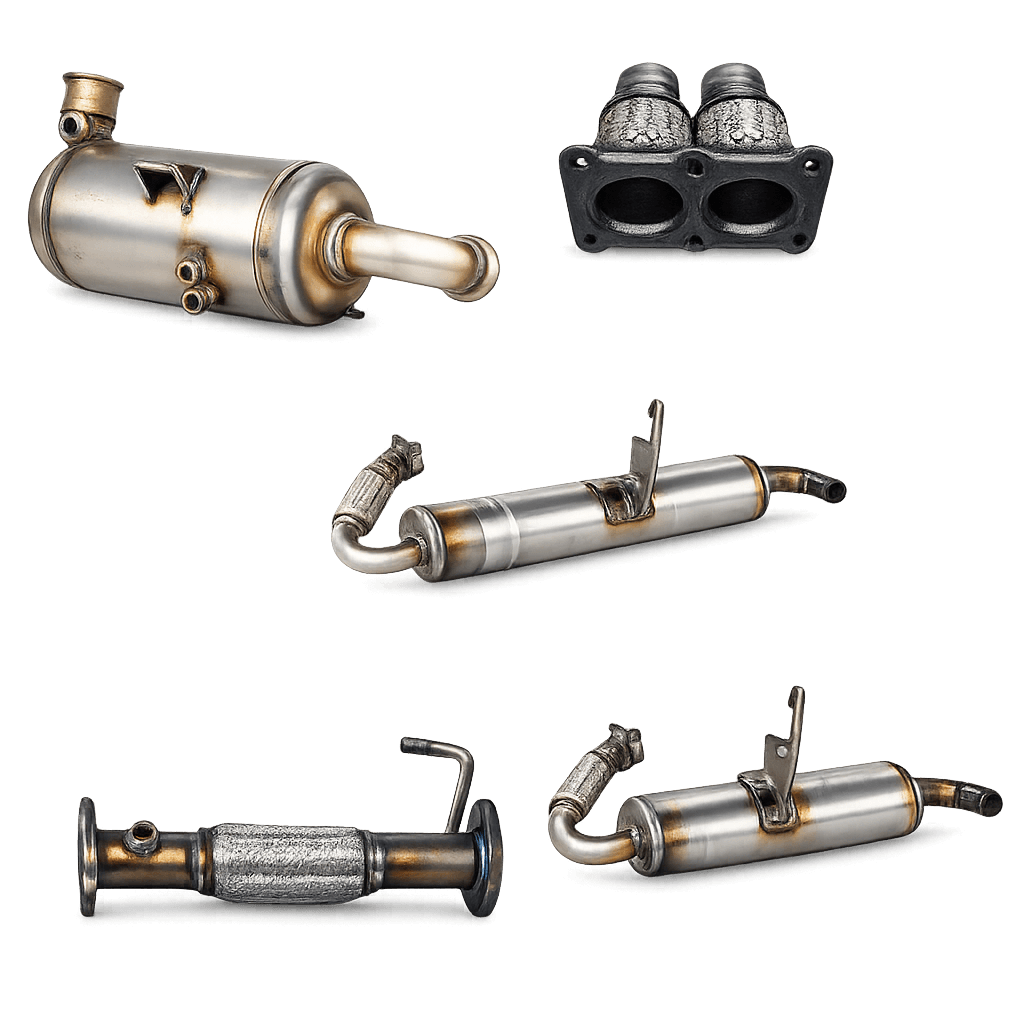
Find your Diesel Particulate Filter / DPF by specifying your model
-
EX (2007-2014)
The Infiniti EX Diesel is equipped with a Diesel Particulate Filter (DPF), a crucial component designed to drastically reduce harmful particulate emissions from diesel engines. This filter traps soot particles produced during combustion, preventing them from entering the atmosphere and ensuring compliance with strict environmental standards like Euro 5. Constructed with a high-grade stainless steel casing and a porous ceramic or metallic body, the DPF’s intricate structure captures exhaust particulates effectively while allowing gas flow to continue smoothly, maintaining engine efficiency.
Over time, accumulated soot in the DPF requires removal through regeneration, which can be passive—occurring automatically during highway driving with elevated exhaust temperatures—or active, triggered by the vehicle when soot buildup reaches a critical level. Active regeneration involves brief post-injections of fuel to burn off particulates, sometimes necessitating professional intervention if warning lights appear on the engine dashboard. Proper DPF function is essential to avoid common issues such as reduced engine power, increased fuel consumption, and potential damage to the engine’s lubrication system.
Infiniti EX Diesel owners benefit from advanced OEM technology filters that enhance performance and durability, ensuring prolonged engine life and cleaner emissions. Investing in a high-quality DPF replacement part tailored specifically for the Infiniti EX Diesel helps maintain optimal engine performance, reduces particulate pollution, and keeps the vehicle aligned with environmental regulations, making it an essential component for any diesel-powered Infiniti EX vehicle. Trust expert solutions crafted for reliability and environmental responsibility.
-
FX 2 (Ii) (2008-2014)
The Diesel Particulate Filter (DPF) is a crucial component of the exhaust system in Infiniti FX diesel models, designed to reduce harmful particulate emissions. Specifically tailored for models like the Infiniti FX S51 3.0 D AWD with the V9X engine, the DPF captures soot particles from incomplete diesel combustion, preventing them from entering the atmosphere. This advanced filter features a ceramic honeycomb structure with porous walls that trap soot as exhaust gases pass through, monitored by a differential pressure sensor to ensure optimal function.
DPF regeneration is key to maintaining its efficiency: passive regeneration occurs at high exhaust temperatures where soot is naturally burned off, while active regeneration involves the engine control unit (ECU) injecting extra fuel to raise temperature and incinerate accumulated soot. Regular regeneration prolongs the DPF lifespan, which typically ranges between 150,000 and 180,000 km, although frequent short urban trips can impair this self-cleaning process and cause filter clogging.
Common issues in Infiniti FX diesel vehicles include black smoke, reduced engine power, and warning lights caused by excessive soot blocking the DPF. Proper diagnosis involves measuring differential pressure and temperature sensors linked to the engine management system. Solutions range from forced regeneration by sustained highway driving, professional cleaning, use of DPF additives, to replacement with original, high-quality parts. Maintaining the DPF is essential for engine performance, fuel efficiency, and compliance with emission standards, making it a vital part of your Infiniti FX’s exhaust system.
-
M 3 (Iii) (2010-2014)
The Infiniti M Diesel Particulate Filter (DPF) is an essential component designed to capture harmful fine particles and soot emitted by diesel engines. Installed within the exhaust system, the filter's ceramic substrate traps toxic pollutants, such as nitrogen oxides and hydrocarbons, before they reach the atmosphere, ensuring cleaner emissions that comply with environmental standards. The DPF works by forcing exhaust gases through its porous walls, allowing gases to pass while retaining particulate matter.
To maintain optimal performance, the Infiniti M DPF undergoes a regeneration process, triggered by the engine's ECU when the filter accumulates soot. Regeneration occurs either through high exhaust temperatures that burn off the soot or by catalytic substances aiding combustion. This process is monitored and adjusted via exhaust gas temperature sensors to ensure efficiency. However, common issues like clogging caused by ash build-up, faulty sensors, or low fuel levels can lead to reduced engine power, black smoke, and a persistent warning light.
Designed for longevity, Infiniti M DPFs typically last between 150,000 to 180,000 km with proper care, including regular driving at sufficient engine speeds to promote regeneration. Professional cleaning services and suitable additives can extend DPF life, helping maintain engine performance and compliance with emission regulations. Krosfou provides high-quality, original Infiniti M diesel particulate filters with reliable shipping and a comprehensive return policy, ensuring durable and efficient spare parts for your engine’s exhaust system.
-
Q70 (2013-2018)
The Infiniti Q70 Diesel Particulate Filter (DPF) is a vital component designed to reduce harmful diesel emissions from the 2.2d engine, efficiently capturing soot particles before they exit the exhaust system. This filter uses advanced ceramic honeycomb technology with alternating closed channels to trap particulate matter, ensuring compliance with Euro 5 and Euro 6 emission standards. Over time, soot accumulation can cause clogging, triggering the FAP warning light and resulting in reduced power and increased pollution.
DPF regeneration is crucial to maintain optimal performance and can occur passively through natural burning at high exhaust temperatures during steady driving or actively via controlled fuel injection that raises exhaust temperature beyond 600°C. Proper driving habits, such as regular highway trips, help sustain effective regeneration and prolong filter life. However, short urban trips and sensor malfunctions may disrupt this process, leading to filter malfunction and costly repairs.
Krosfou offers high-quality OEM Diesel Particulate Filters and spare parts tailored for Infiniti Q70 vehicles, manufactured with cutting-edge stainless steel and coated monolith technology for durability and excellent filtration efficiency. Our DPFs ensure optimal engine power and fuel efficiency, backed by a 3-year warranty and reliable shipping across Europe. Trust Krosfou’s advanced DPF products to keep your Infiniti’s diesel engine running cleanly and efficiently while meeting environmental regulations and maintaining your vehicle’s performance.
-
QX50 1 (I) (2007-2017)
The Infiniti QX50 diesel, especially the 3.0d AWD model, relies on a high-quality Diesel Particulate Filter (DPF) to efficiently trap harmful soot and ash from exhaust gases. This essential OEM part ensures the vehicle meets Euro 4 and higher environmental standards by preventing particulate emissions. The DPF works by filtering exhaust through a porous ceramic substrate, capturing fine particulates while allowing gases to flow, which is critical to engine performance and emission reduction.
Maintaining a healthy DPF is vital to avoid increased back pressure, which can reduce engine power, raise fuel consumption, and trigger warning lights. For optimal performance, the DPF undergoes regeneration cycles — passive during long, hot drives, and active when the engine ECU injects extra fuel to burn off accumulated soot. Proper maintenance, including professional cleaning methods or forced regeneration, extends the DPF’s life, typically up to 150,000–180,000 km.
Krosfou offers top-brand, reliable, and durable Infiniti QX50 diesel particulate filters produced in Europe to strict quality standards. These spare parts come with a 3-year warranty and are designed for easy replacement by professional teams. Whether you need a new DPF or expert advice on diagnostics and servicing, Krosfou’s team ensures the best support and genuine OEM-grade parts at competitive prices with efficient shipping options across Europe and beyond.
-
QX70 (2013-2018)
The Infiniti QX70 Diesel Particulate Filter (DPF) is a crucial component designed to capture and eliminate harmful diesel particulate matter from the vehicle’s exhaust system. This OEM-standard DPF ensures your Infiniti QX70 engine meets Euro 5 emissions regulations by effectively filtering out cancer-causing soot and fine particles produced during diesel combustion. Featuring a robust stainless steel construction and advanced ceramic monoliths with proprietary coating technology, the DPF maintains optimal exhaust flow while reducing pollution and preserving engine performance.
DPF regeneration, controlled by the vehicle’s engine management system, periodically burns off accumulated particulates to prevent clogging and maintain a clean form level. Proper DPF function is vital for avoiding engine power loss, exhaust system damage, and illuminating the DPF light on your dashboard. Infiniti QX70 models equipped with the 3.0d AWD engine rely on this advanced DPF to sustain performance over many kilometers, supported by professional cleaning and maintenance services ensuring longevity up to 150,000-180,000 km.
At Krosfou, our DPFs for Infiniti are manufactured under strict quality controls, offering durable, high-performance filters at a competitive price. Trust our team for original, reliable solutions that comply with technical standards, helping your Infiniti QX70 run cleaner and more efficiently while respecting the environment and reducing emissions.