
-
Accord
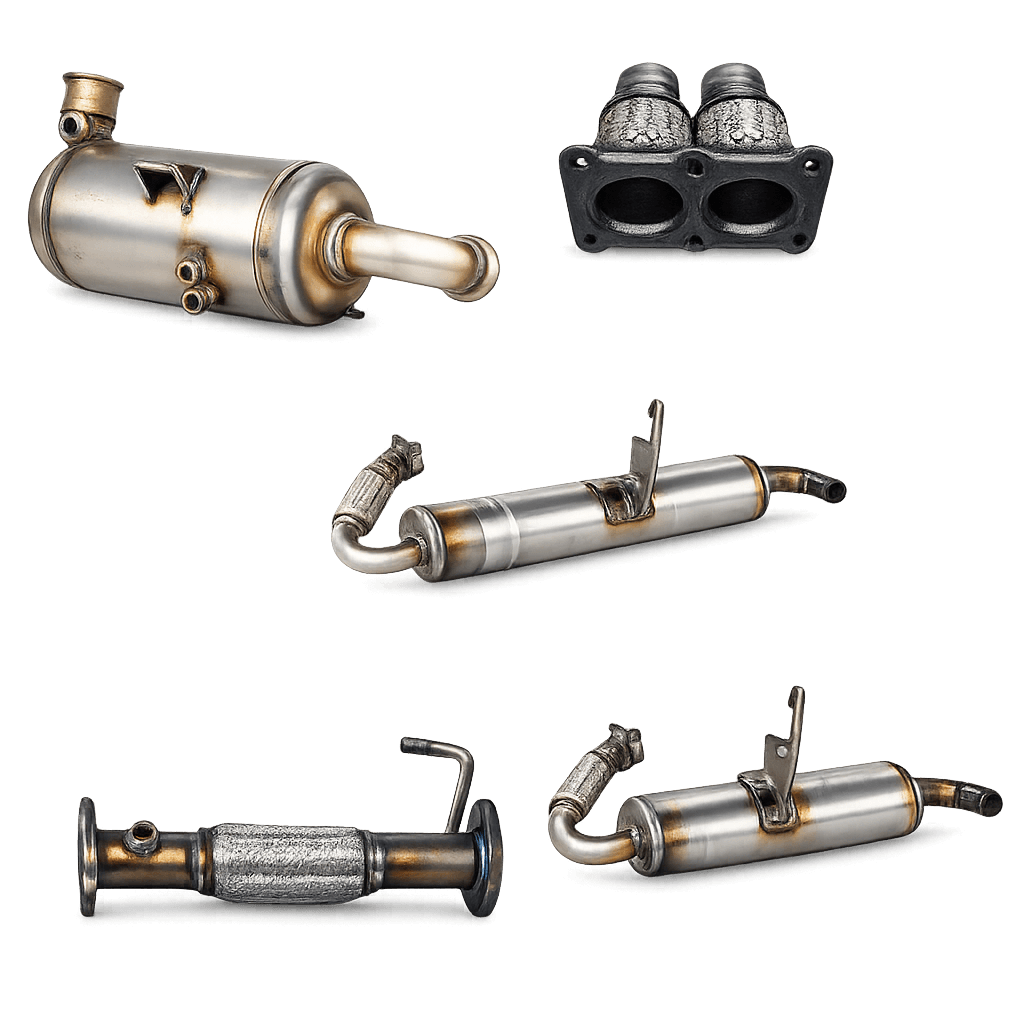
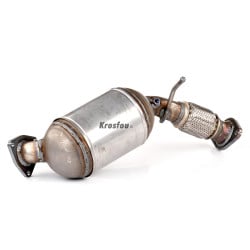
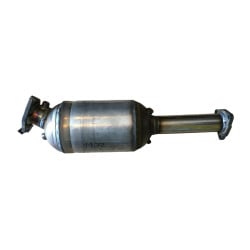
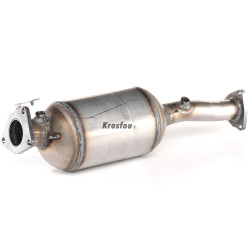
The Diesel Particulate Filter (DPF) in Honda Accord diesel models is a crucial component designed to capture and reduce harmful particulate matter emitted by the engine. Positioned after the turbocharger in the exhaust system, this advanced filter traps fine soot particles, including carcinogenic compounds, preventing them from polluting the environment. The DPF operates through two main cycles: filtration, where particulates accumulate to form a soot layer, and regeneration, which burns off the soot at high temperatures, typically around 600°C, restoring the filter’s efficiency. This regeneration process can be passive during highway driving or actively controlled via engine management systems. Failure or clogging of the DPF can cause symptoms such as increased fuel consumption, loss of engine power, and warning lights like the Check Engine or DPF light activating. Regular maintenance, including forced regeneration using diagnostic tools and specialized cleaning products, is essential to avoid costly replacements. Honda Accords with 2.2 i-DTEC engines commonly feature these filters, meeting Euro 5 and similar emission standards to reduce the vehicle’s environmental impact. Proper understanding of DPF function, common issues, and upkeep ensures optimal engine performance and compliance with emission policies, supporting cleaner driving experiences and extended vehicle longevity.
-
Civic
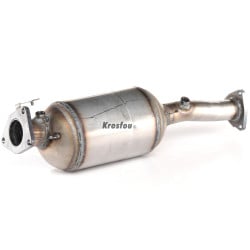
The Diesel Particulate Filter (DPF) in Honda Civic diesel models, such as the 1.6 i-DTEC 120 HP, plays a critical role in reducing harmful emissions by trapping up to 99% of fine soot particles produced by diesel combustion. Positioned after the catalytic converter and before the muffler, the DPF’s ceramic structure captures particulates, preventing their release into the atmosphere and protecting both the environment and human health. Over time, soot accumulates inside the filter, increasing backpressure, which can affect engine performance and trigger warning lights.
To maintain optimal function, the DPF undergoes periodic regeneration processes. Passive regeneration occurs naturally at high exhaust temperatures during highway driving, while active regeneration is electronically managed by the engine control unit at lower speeds to burn off trapped soot. Sensors monitoring temperature and pressure help detect filter saturation, alerting the driver when cleaning is necessary. Neglecting proper maintenance can lead to DPF blockage, causing power loss and potentially forcing the engine into limp mode.
Understanding the importance of the DPF sensor signals, timely diagnostics, and adhering to recommended driving patterns can help prevent costly repairs and keep your Honda Civic’s diesel engine running efficiently. Professional servicing and genuine replacement filters ensure durability, compliance with emission standards, and sustained vehicle performance.
-
CR-V
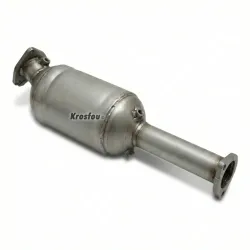
The Diesel Particulate Filter (DPF) in Honda CR-V diesel models plays a crucial role in controlling emissions by capturing soot particles from the exhaust gases. It is specifically designed for engines such as the 2.2 i-CTDi, 2.2 CDTi (N22A2), and 2.2 i-DTEC (RE5), delivering around 150 hp (110 kW). These DPF systems are integrated within the exhaust to meet stringent Euro 4 and Euro 5 standards, effectively reducing harmful particulate emissions to improve environmental performance.
Commonly fitted on Honda CR-V models produced between 2005 and 2010, the DPF works with a combination of automatic and forced regeneration processes that rely on temperature increases or additive use to clear accumulated soot. Proper maintenance of the DPF, including sensor checks and timely cleaning or replacement, is essential to avoid typical symptoms such as warning lights, power loss, and engine performance issues. Honda CR-V owners often follow detailed guides for manual replacement of the DPF, ensuring correct handling of components like pressure and temperature sensors and resetting the system through OBD tools.
Quality and compatibility are critical when selecting a replacement DPF. This ensures conformity with engine references and chassis codes and preserves the original vehicle performance and emissions compliance. Regular inspection and service by experts or detailed tutorials can help extend the DPF’s lifespan, maintaining optimal diesel engine efficiency and reducing environmental impact over time.
Select your vehicle
×
HONDA Diesel Particulate Filter DPF

Discover high-performance Honda Diesel Particulate Filters (DPF) designed to keep your engine running clean and efficient. The DPF is essential in reducing harmful soot emissions from diesel engines, especially in models like the Honda Civic and CR-V. Over time, the DPF can become clogged with soot, triggering warning lights or error messages on your dashboard. Understanding how the DPF sensor and regeneration process work can help maintain your vehicle’s performance and avoid costly repairs.
Our Honda DPFs deliver exceptional durability and comply with strict European...
Other products that may interest you
Find your Diesel Particulate Filter / DPF by specifying your model