
-
A1 1 (I) (2010-2018)
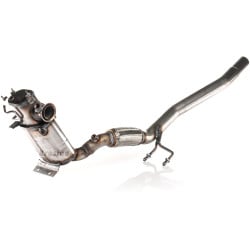
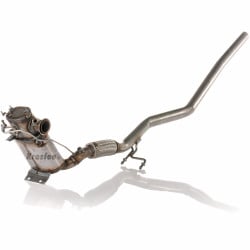
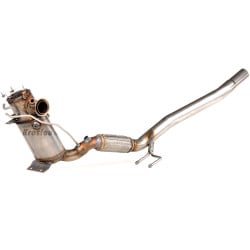
The Audi A1 Diesel Particulate Filter (DPF) is an essential component of the vehicle's exhaust system, designed to reduce harmful diesel particulate emissions and protect the environment. Specifically tailored for diesel models like the Audi A1 1.6 TDI (including engine codes CXMA and others), the DPF captures and retains up to 99% of fine soot particles produced during diesel combustion. Positioned in the exhaust line after the turbocharger and catalytic converter, this high-quality filter features a porous ceramic substrate made from advanced materials such as cordierite or silicon carbide, ensuring efficient trapping of particulate matter.
The DPF operates through a sophisticated regeneration process where sensors monitor pressure and temperature to detect soot accumulation, triggering an automatic or manual burn-off at high temperatures that cleanses the filter. This process maintains optimal exhaust flow, preventing reduced engine output, increased fuel consumption, and black smoke emissions. Timely servicing and cleaning of the DPF with specialized additives or professional decarbonization methods enhance its lifespan and performance, typically requiring replacement between 120,000 and 200,000 kilometers to maintain emission standards and engine efficiency.
Krosfou offers premium, stainless steel mounting kits and replacement DPF products engineered to original equipment specifications, guaranteeing reliable performance, durability, and compliance with European regulations. With fast delivery and expert support, our DPF solutions for Audi A1 diesel models ensure your vehicle runs smoothly with reduced emissions and improved power output.
-
A3
Looking to fix a DPF issue, find a reliable replacement, or simply understand how the diesel particulate system in your Audi A3 TDI works? You’re in the right place. Whether your dashboard is flashing a warning, your car is struggling with regeneration, or it’s time to upgrade a part that’s past its prime, we’ve got the answers and premium components to help.
At Krosfou, we supply high-performance particulate filters designed for diesel cars like the Audi A3 Sportback, Hatchback, and TDI Quattro. Our products are engineered for Euro 5/6 compliance, include full technical data, and come backed by great service and fast shipping. Expect brand-new, OEM-grade solutions that install easily and last.
Let’s walk through what matters most—common error codes, how the process works, and how to purchase this product with confidence.
DPF's Audi most sold:
The Krosfou Diesel Particulate Filters are available for most Audi car models: Audi A4 DPF, Audi Q5 DPF, and many others. -
A4
The Audi A4 Diesel Particulate Filter (DPF) plays a crucial role in reducing harmful particle emissions from diesel engines. Positioned after the turbocharger and catalytic converter in the exhaust system, the DPF traps fine soot particles using a porous ceramic substrate, ensuring cleaner exhaust gases and compliance with stringent European emission standards. This high-performance filter helps maintain air quality by preventing the release of toxic carbon particulates into the atmosphere.
DPF regeneration is vital for optimal filter function and comes in two types: passive regeneration, which naturally occurs at high exhaust temperatures during highway driving, and active regeneration, where the engine management system injects extra fuel to raise temperatures and burn off accumulated soot. Audi A4 diesel models rely on sensors to monitor back pressure and temperature; if these sensors fail, regeneration is hindered, often triggering warning lights and reduced engine power modes.
Krosfou offers premium-quality, stainless steel DPFs for the Audi A4, designed to exact manufacturer specifications and tested to meet or exceed regulatory requirements. Recommended solutions include cleaning services for moderate soot buildup, sensor replacements to restore proper operation, and complete filter replacements when necessary. Choosing Krosfou’s tested and guaranteed DPF ensures durable performance, fuel efficiency, and adherence to environmental standards, making it the exact content you need for a reliable and eco-friendly Audi A4 diesel vehicle.
-
A5 1 (I) (2007-2016)
The Diesel Particulate Filter (DPF) on the Audi A5 diesel models is a crucial component of the exhaust system, designed to reduce harmful soot emissions produced by incomplete fuel combustion. This advanced filter captures 95-99% of fine particles by forcing exhaust gases through a porous ceramic filter, significantly cutting down environmental pollution and protecting human health. The DPF system relies on sensors measuring pressure and temperature to monitor soot accumulation. When the filter is clogged, the DPF triggers regeneration: passive regeneration burns soot naturally at high exhaust temperatures during highway driving, while active regeneration injects extra fuel to reach operating temperatures above 600°C required to incinerate soot.
Common issues with the Audi A5 DPF include persistent engine warning lights, reduced engine power, and black smoke during acceleration, often caused by defective pressure sensors or frequent short urban trips that prevent proper regeneration. Regular maintenance is essential, such as using DPF additives to lower soot combustion temperature and performing highway drives to keep the filter clean. In case of severe clogging, professional forced cleaning or replacing the DPF is recommended to avoid costly engine damage. Reliable diagnostic tools like OBD scanners help detect faults early and manage regeneration cycles efficiently.
Krosfou provides high-quality, durable, stainless steel DPFs and catalytic converters for the Audi A5, backed by TÜV SÜD certification and a 3-year warranty. Our products ensure optimal engine performance, compliance with European emission standards, and a commitment to reducing automotive pollution while offering excellent value. Trust Krosfou for expert solutions in Audi A5 diesel particulate filter maintenance and replacement.
-
A6
Looking for a reliable diesel particulate filter (DPF) for your Audi A6? You’re in the right place. At Krosfou, we manufacture and supply high-quality filters and catalytic converters that conform to strict ECE and European standards. Whether you drive a 2.0 TDI Saloon or a 3.0 TDI Avant, our factory-approved filters help reduce harmful output, protect your engine, and meet Euro regulations – without breaking the bank.
Each Krosfou DPF product is built using premium materials like cordierite and silicon carbide, ensuring durability under intense exhaust conditions. Our price point is competitive, and you get fast delivery, guaranteed compatibility, and expert info from the original manufacturer.
DPF's Audi most sold:
The Krosfou Diesel Particulate Filters are available for most Audi car models: Audi A4 DPF, Audi Q5 DPF, and many others. -
A7 1 (I) (2010-2018)
The Diesel Particulate Filter (DPF) is a critical component in the exhaust system of the Audi A7 TDI engines, designed to reduce harmful emissions and protect the environment. This advanced filter captures fine soot particles generated during diesel combustion, preventing them from being released into the atmosphere. Positioned strategically in the exhaust stream, the DPF uses a ceramic porous substrate to trap these pollutants effectively, allowing cleaner exhaust gases to exit through the catalytic converter and mufflers.
Maintaining optimal DPF performance is essential for engine efficiency and compliance with emissions standards. Regular cleaning and regeneration processes help burn off accumulated soot, either automatically through the vehicle’s engine management system or manually by driving conditions that maintain elevated exhaust temperatures. Preventive care includes using specially formulated fuel additives to support filter cleanliness and prevent clogging, which can lead to power loss and dashboard warning lights.
For Audi A7 owners, especially those with higher mileage around 150,000 km, professional DPF cleaning offers a cost-effective solution to restore filter functionality without full replacement. This not only saves on repair costs but also ensures long-term reliability and efficient engine operation. Understanding the importance of timely maintenance and cleaning keeps the Audi A7’s diesel engine running smoothly while meeting environmental regulations.
-
A8
The Audi A8 Diesel Particulate Filter (DPF) is a vital component designed to reduce harmful emissions from diesel engines. Installed on all new Audi diesel vehicles since 2011, the DPF captures and filters fine particulate matter emitted during combustion, preventing these cancer-causing particles from polluting the atmosphere. This advanced filter operates through a two-step process: first, it traps soot particles in a porous ceramic substrate; then, an electronically controlled regeneration cycle burns off the accumulated soot, maintaining optimal engine performance and emission control.
Specifically tailored for Audi A8 models such as the 4.2 TDI, 4.0 TDI quattro, and 3.0 V6 TDI, the DPF fits precisely within the exhaust system and works in conjunction with catalytic converters and sensors to meet stringent Euro emission standards. Regular maintenance, including periodic cleaning with fuel additives and timely replacement between 100,000 and 120,000 km, ensures the longevity and effectiveness of the DPF. Proper care prevents common issues like excessive soot buildup, engine power loss, and black smoke emissions.
For Audi A8 owners seeking reliable and high-quality DPF replacements, choosing products engineered with premium materials and certified to original equipment specifications is essential. These filters not only comply with environmental regulations but also enhance exhaust emissions control, ensuring your vehicle runs efficiently while protecting the environment. Krosfou offers genuinely manufactured DPFs with excellent durability and guaranteed performance, helping to maintain the integrity of your Audi A8’s emissions system.
-
Q3 1 (I) (2011-2018)
The Diesel Particulate Filter (DPF) is a crucial component in the exhaust system of the Audi Q3 diesel models, designed to significantly reduce harmful particulate emissions. This filter captures over 90% of fine soot particles produced during combustion by forcing exhaust gases through a porous ceramic substrate made of cordierite or silicon carbide. Positioned after the turbo catalytic converter, the DPF is integral to meeting stringent Euro 6 emission standards while maintaining optimal engine performance.
DPF regeneration, either passive during normal driving or active through high-temperature combustion cycles, burns off accumulated soot, preserving filter functionality and air flow. Sensors monitoring differential pressure and temperature are essential to manage these regeneration cycles and maintain engine efficiency. A malfunctioning DPF can trigger dashboard warning lights, cause power loss, and increase fuel consumption, often due to sensor faults or heavy soot buildup exceeding 40%.
Proper maintenance of the Audi Q3 DPF includes periodic regeneration through highway driving, use of quality diesel additives to assist soot combustion, and professional cleaning when necessary. Replacement is generally recommended between 140,000 and 200,000 km, depending on vehicle use and condition. Reliable DPFs ensure that your Audi Q3 runs cleanly, efficiently, and within environmental regulations, supporting long-term vehicle health and performance.
-
Q5 1 (I) (2008-2016)
The Diesel Particulate Filter (DPF) in the Audi Q5, especially on diesel models like the 2.0 TDI 8R, is an essential exhaust component designed to trap harmful soot particles from diesel combustion. This particulate filter plays a crucial role in reducing emissions and ensuring compliance with stringent Euro 5 and Euro 6 environmental standards. The DPF operates by forcing exhaust gases through a porous ceramic substrate where soot particles are captured, allowing clean gas to pass through.
DPF regeneration is vital for maintaining filter efficiency. Passive regeneration occurs naturally at high exhaust temperatures above 500°C, burning off soot. When conditions are insufficient, the car’s ECU triggers active regeneration by injecting extra fuel to raise temperatures and incinerate particulates. Sensors monitor pressure and temperature to optimize this process. Positioned close to the engine, the Audi Q5’s DPF heats up quickly for effective soot removal.
Urban driving and short trips can cause rapid soot build-up, leading to DPF clogging, reduced power, increased fuel consumption, and dashboard warning lights. Proper maintenance like added FAP additives, forced regeneration drives, professional chemical cleaning, or replacement ensure longevity and performance. Krosfou offers high-quality DPFs for Audi Q5 diesel models, providing reliable, durable solutions with excellent warranty and fast shipping to support clean, efficient vehicle operation.
-
Q7
The Audi Q7 Diesel Particulate Filter (DPF) is an essential component designed to reduce diesel engine emissions by capturing fine soot particles from exhaust gases. Located after the catalytic converter, the DPF traps these particles in a high-quality ceramic substrate, helping Audi Q7 vehicles—especially the 3.0 TDI V6 models—comply with stringent emission standards. The filter undergoes automatic regeneration, burning off accumulated soot at high temperatures to maintain optimal engine performance and minimize pollution.
Over time, the DPF can become clogged with soot, leading to common issues such as engine warning lights, power loss, and increased fuel consumption. Diagnostic trouble codes like P226D, P2002, and P2463 often indicate DPF malfunction or inefficiency, with the differential pressure sensor playing a key role in monitoring filter status. Proper maintenance—including forced regeneration via diagnostic tools, the use of DPF cleaning additives, and periodic inspections—is recommended to extend the DPF’s lifespan. Replacement intervals typically range between 100,000 and 175,000 kilometers depending on vehicle usage and conditions.
Krosfou offers premium-quality, genuine DPF products for the Audi Q7, manufactured in Europe with advanced stainless steel construction and coated ceramic monoliths to ensure durability, high filtration efficiency, and vehicle compatibility. Our factory-direct DPFs meet or exceed manufacturer specifications and come with a 3-year warranty. Choose Krosfou for reliable, cost-effective DPF replacement solutions that protect your Audi Q7’s engine, improve emissions control, and support sustainable vehicle operation.
-
TT
The Audi TT Diesel Particulate Filter (DPF) is an essential component of the vehicle’s exhaust system, designed to capture and reduce harmful diesel soot emissions. Installed downstream of the catalytic converter, this high-quality filter uses a porous ceramic substrate to trap particulate matter effectively, significantly lowering pollution levels and ensuring compliance with Euro 4/5 standards. The DPF relies on differential pressure sensors and temperature probes to monitor soot accumulation, triggering regeneration cycles to burn off collected particles and maintain optimal performance.
DPF regeneration can occur passively at high exhaust temperatures during highway driving or actively when electronic controls raise the temperature to cleanse the filter under lower speeds. For situations where soot buildup exceeds normal limits, forced regeneration techniques using diagnostic tools like VCDS or VAG-COM may be necessary. Proper maintenance and occasional cleaning, including the use of diesel additives, greatly extend the lifespan of the DPF and avoid costly replacements, which typically occur around 100,000 km.
For Audi TT owners, fitting the correct DPF based on engine specifications and VIN is crucial for ensuring perfect fitment and function. At Krosfou, we offer durable, stainless steel DPF replacements and accessories that meet stringent European quality standards, to help keep your Audi TT's diesel engine running efficiently and environmentally friendly. Trust in our expertise and technically advanced products for reliable exhaust emission control solutions tailored specifically for your vehicle.
Select your vehicle
×
AUDI Diesel Particulate Filter DPF

At Krosfou, we design and supply high-performance diesel particulate filters (DPF) and catalytic converters for Audi and other diesel vehicles. Whether you're a professional mechanic, a garage owner, or simply an Audi driver trying to fix a DPF issue, you’ll find practical solutions and top-quality parts here.
Modern diesel engines are equipped with particulate filters to trap soot and reduce harmful...
Other products that may interest you
Find your Diesel Particulate Filter / DPF by specifying your model